Quick Guide to This Article
- What Exactly Is an Elephant Trunk Snake?
- Setting Up the Perfect Home: Habitat is Everything
- Feeding Your Elephant Trunk Snake: What's on the Menu?
- Health and Common Problems: What to Watch For
- Behavior, Temperament, and Handling
- Frequently Asked Questions (The Stuff You're Really Wondering)
- Final Thoughts: Is This the Right Pet for You?
Let's clear something up right from the start. If you're here because you're fascinated by the idea of a snake with a trunk, I've got some news for you. The creature often called the elephant trunk snake isn't a snake at all. It's a turtle. A really, really weird-looking aquatic turtle. Its proper name is the Rhinoclemys pulcherrima incisa, or more commonly, the Central American Ornate Wood Turtle. But somewhere along the line, someone looked at its long, flexible snorkel-like nose and said "elephant trunk," and the nickname stuck in the pet trade. It's one of those common names that causes endless confusion. Honestly, it's a bit of a pet peeve of mine. It sets people up with the wrong expectations entirely.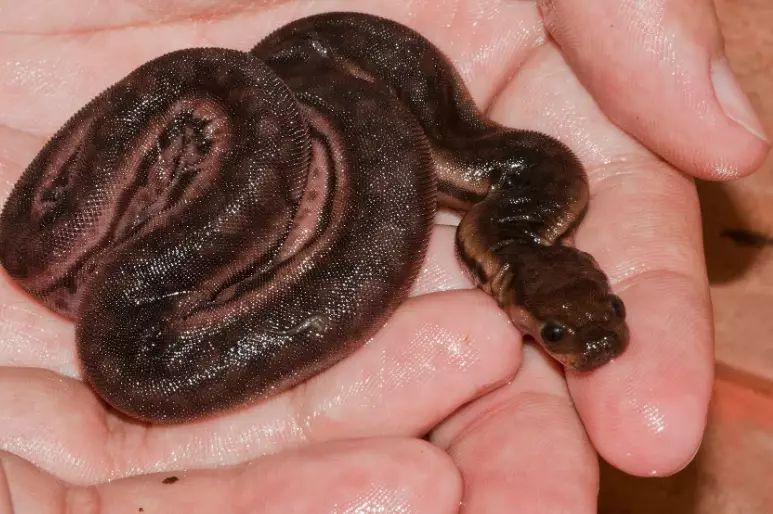
But you know what? Once you get past the confusing name, you find one of the most interesting and personable turtles you could possibly keep. That's if you're up for the challenge. They're not your average red-eared slider. Caring for an elephant trunk snake (I'll use the term since that's what you searched for) is a specialized commitment. This guide is for anyone who's seen a picture of that bizarre, hose-like snout and fallen down a rabbit hole of curiosity. Maybe you're thinking of getting one. Maybe you just got one and are panicking a little. Either way, we're going to cover everything. And I mean everything.
Quick Reality Check: This isn't a beginner's pet. The elephant trunk snake turtle has very specific needs. If you want a low-maintenance pet that thrives in a simple setup, look at a musk turtle instead. This guide is for the dedicated enthusiast ready to create a specialized aquatic environment.
What Exactly Is an Elephant Trunk Snake?
Before we dive into tanks and filters, let's understand what we're dealing with. Scientifically, we're talking about a subspecies of the Ornate Wood Turtle. They're native to the Pacific drainages of Central America, from Mexico down through parts of Guatemala and El Salvador. They live in slow-moving streams, marshes, and ponds—places with soft bottoms and plenty of vegetation to hide in.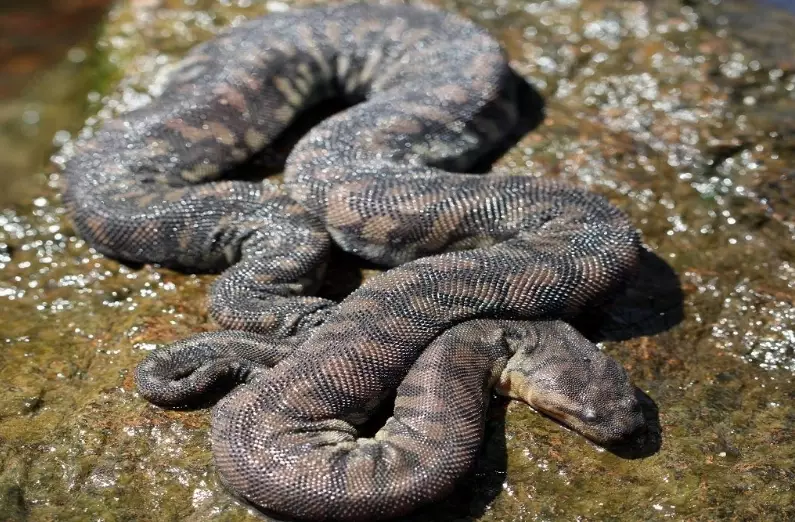
Their most famous feature is that proboscis. It's a tubular nasal extension that acts like a built-in snorkel. The turtle can lie completely submerged in murky water or buried in mud, with just the very tip of this "trunk" breaking the surface to breathe air. It's a brilliant adaptation for an ambush predator that needs to stay hidden. The rest of the turtle is fairly standard box-turtle-shaped, with beautifully patterned shells (hence "ornate") and strong, elephantine legs. They're not huge, usually maxing out at a shell length of 6 to 8 inches.
I remember the first time I saw one in person at a reptile show. I was expecting something... serpentine. What I saw was a placid turtle sitting in a shallow tub, its funny little hose-nose twitching as it sampled the air. It looked ancient and wise, not slithery at all. The seller called it an "elephant trunk snake," and a family next to me walked away genuinely confused about whether it was a turtle or a snake. The name really does more harm than good.
Setting Up the Perfect Home: Habitat is Everything
This is where most people succeed or fail. You can't just plop this turtle in a fish tank with a rock to climb on. Their environment needs to mimic their natural, sluggish waterways. Getting this wrong is the fastest route to a stressed, sick turtle. Let's break it down.
The Tank: Size and Fundamentals
Think big, and think horizontal. These turtles are bottom-walkers, not swimmers. They need lots of floor space to roam. A single adult needs an absolute minimum of a 75-gallon aquarium, but 100 gallons or more is ideal. A long, low "breeder" style tank is perfect. Some serious keepers use large, custom-built stock tanks or pond liners. The key is surface area, not depth. Water depth should be relatively shallow—just deep enough for the turtle to be completely submerged if it wants, but not so deep it has to swim frantically. A depth of 1.5 to 2 times the turtle's shell length is a good rule of thumb.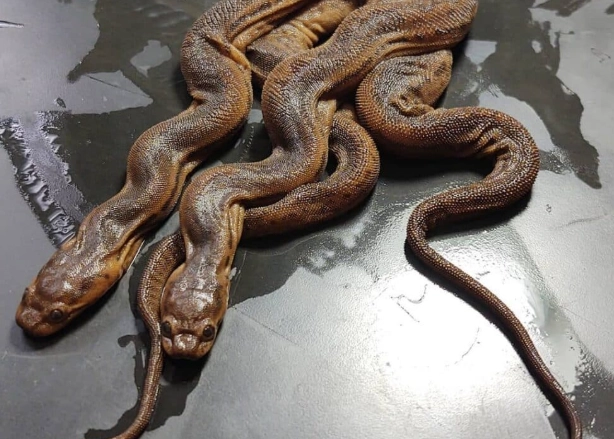
My Two Cents: I started mine in a 40-gallon breeder as a juvenile, and I was upgrading within a year. Save yourself the hassle and money—start with the adult-sized tank from day one. The stability it provides for water quality is worth the initial investment.
Water Quality: The Non-Negotiable
If there's one thing to obsess over, it's this. Elephant trunk snake turtles are notoriously sensitive to poor water conditions. They come from clean(ish), well-oxygenated habitats. In a closed tank, waste builds up fast.
You need a filtration system rated for at least three times the volume of your tank. So for a 100-gallon tank, get a filter rated for 300+ gallons. Canister filters are the gold standard here—they offer mechanical, chemical, and biological filtration in one unit. I swear by my Fluval FX series for my big tanks. You'll also need a powerful water pump or powerhead to create a gentle current. Stagnant water is a big no-no.
Water parameters matter. You'll need a test kit to monitor:
- Ammonia and Nitrites: Always at 0 ppm. Any detectable level is harmful.
- Nitrates: Keep below 20 ppm. High nitrates stress the turtle and fuel algae growth.
- pH: Aim for a slightly acidic to neutral range, around 6.5 to 7.5.
Weekly partial water changes of 25-50% are not a suggestion; they are mandatory. Use a water conditioner to remove chlorine and chloramines every time you add new water.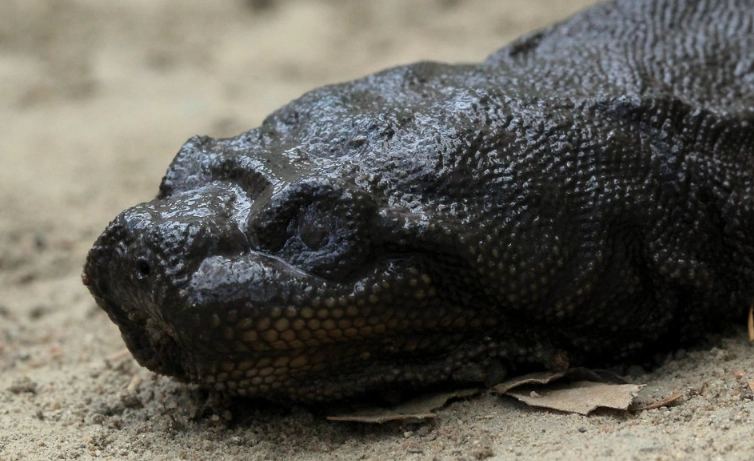
Watch Out: I learned this the hard way with my first aquatic turtles. I skimped on the filter, thinking "it's just a little turtle." Algae blooms, cloudy water, and a case of shell rot followed. Good filtration isn't an accessory; it's the life support system.
Substrate, Decor, and Heating
The bottom of the tank should be soft. These turtles love to root around and bury themselves. Fine, smooth sand or very small, rounded gravel is perfect. Avoid anything sharp that could scratch their plastron (bottom shell).
Provide tons of hiding places. PVC pipes, clay pots on their sides, driftwood, and dense clusters of live or artificial plants all work. They are shy creatures and need to feel secure. Java fern, anubias, and hornwort are tough live plants that can handle the conditions.
You'll need an underwater heater to maintain a water temperature between 75°F and 80°F (24°C - 27°C). Get a reliable heater with an external thermostat, and always use a heater guard to prevent burns. While they are aquatic, they do occasionally need to get completely dry. You must provide a basking area. This is a flat platform (cork bark, a turtle dock) under a heat lamp that stays around 85°F (29°C). A separate UVB lamp is also absolutely critical for their shell and bone health. They need UVB rays to synthesize vitamin D3 and process calcium. Without it, they will develop Metabolic Bone Disease (MBD), a slow, painful, and fatal condition.
Here’s a quick-reference table for the habitat setup essentials:
| Component | Specification | Why It's Important |
|---|---|---|
| Tank Size | 100+ gallons for an adult | Provides adequate floor space for roaming and stable water parameters. |
| Water Depth | 1.5-2x shell length | Allows full submersion without forcing the turtle to be a strong swimmer. |
| Filtration | Canister filter rated 3x tank volume | Removes waste, toxins, and maintains clear, healthy water. |
| Water Temperature | 75°F - 80°F (24°C - 27°C) | Maintains metabolism and immune function. |
| Basking Area Temperature | ~85°F (29°C) | Allows the turtle to dry off, thermoregulate, and digest food. |
| Lighting | UVB Lamp (10.0 strength) + Heat Lamp | UVB is non-negotiable for preventing Metabolic Bone Disease. |
| Substrate | Fine sand or smooth gravel | Soft bottom for natural burrowing behavior; prevents injury. |
Feeding Your Elephant Trunk Snake: What's on the Menu?
In the wild, they're opportunistic omnivores with a strong carnivorous streak. They eat insects, worms, crustaceans, small fish, and some fallen fruit and vegetation. In captivity, variety is the spice of life—and the key to good health.
A good staple diet includes high-quality commercial turtle pellets (like Mazuri or Zoo Med). But you can't just feed pellets. You need to supplement with fresh, whole foods. My turtle goes crazy for earthworms and nightcrawlers. They're like candy. I also offer:
- Protein: Gut-loaded crickets, mealworms (sparingly, they're fatty), dubia roaches, chopped mussels or shrimp (uncooked), and the occasional feeder guppy for enrichment.
- Greens & Veggies: Dandelion greens, collard greens, shredded squash, zucchini, and bits of melon. They might ignore these at first, but persistence pays off.
- Calcium: This is huge. Dust insects and worms with a pure calcium powder (without vitamin D3) at least twice a week. I keep a small jar of Rep-Cal right next to the worm bin.
Feed juveniles daily, adults every other day. Only offer an amount of food roughly the size of the turtle's head. Overfeeding is a common mistake that leads to obesity and pollutes the water.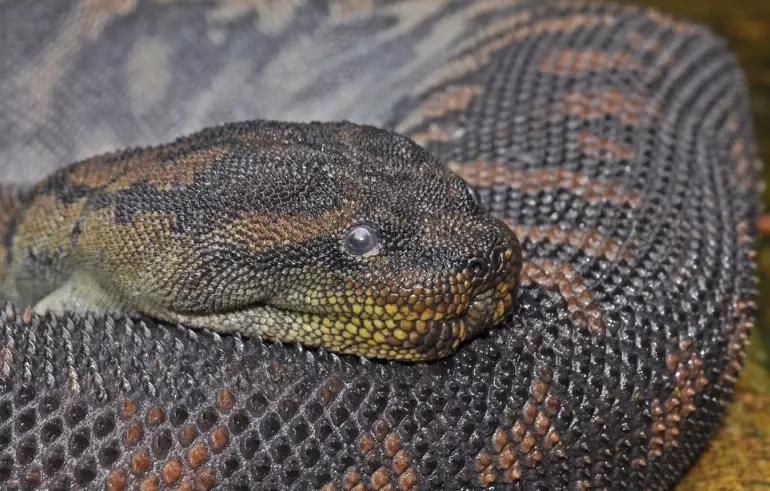
Health and Common Problems: What to Watch For
Even with perfect care, things can go wrong. Knowing the signs can save your turtle's life. The most common issues all tie back to habitat.
Shell Rot (Ulcerative Shell Disease)
This starts as white, pits, or soft, smelly patches on the shell. It's a bacterial or fungal infection that gets a foothold in poor water quality or from physical injury. Treatment: Immediate vet visit. It requires professional debridement (cleaning of the shell), antibiotics, and a drastic improvement in tank hygiene. I've dealt with minor cases by improving filtration and doing daily water changes, but anything serious needs a vet.
Metabolic Bone Disease (MBD)
The silent killer of poorly-kept reptiles. Caused by lack of UVB light and/or dietary calcium. Early signs include a soft or rubbery shell, swollen jaw, lethargy, and tremors. In advanced stages, the shell becomes grotesquely deformed. Prevention is the only cure: Proper UVB lighting and calcium supplementation from day one. Once advanced, the damage is often irreversible. The American Veterinary Medical Association (AVMA) has resources on finding a qualified reptile vet, which is crucial for diagnosing such conditions.
Respiratory Infections
Often caused by water that's too cold or drastic temperature fluctuations. Symptoms include lethargy, loss of appetite, swimming lopsided, mucus around the nose and mouth, and gasping or wheezing. Treatment: Requires antibiotics from a vet. Raising the water temperature a few degrees can help as a first-aid measure while you get to the clinic.
Parasites
Internal parasites (worms, protozoa) are common, especially in wild-caught specimens. Signs include weight loss despite a good appetite, runny or abnormal feces, and general unthriftiness. A fecal exam by a vet is needed for diagnosis and the correct dewormer.
Finding a good exotics vet before you have an emergency is one of the best things you can do. The Association of Reptilian and Amphibian Veterinarians (ARAV) has a "Find a Vet" directory that's invaluable.
Behavior, Temperament, and Handling
Are they friendly? They're not "cuddly," but they can become quite tame with time. They are naturally shy and will retreat into their shell or dive for cover when startled. With slow, patient interaction (like hand-feeding with tongs), they learn you're not a threat.
Handling should be minimal. When you must handle them (for tank cleaning, vet visits), support their entire body from underneath. Never pick them up by the sides of their shell. They can be surprisingly strong and may struggle. Wash your hands before and after—standard hygiene for any reptile.
They are mostly active during the day (diurnal) and spend a lot of time exploring the bottom, sniffing with that amazing trunk, and hiding. It's a peaceful, fascinating animal to observe, not a hands-on pet.
Frequently Asked Questions (The Stuff You're Really Wondering)
This is tricky. Small fish will be seen as food. Larger, fast-moving, peaceful fish (like certain types of barbs or tetras) might work in a very large tank, but it's always a risk. The turtle could nip fins, or the fish could stress the turtle. I don't recommend it for beginners. The turtle is best kept alone or with a compatible turtle of similar size and temperament (after a lengthy quarantine period).
With proper care, they can live for several decades. We're talking 20-30 years, possibly more. Getting one is a long-term commitment, not a short-term novelty.
This varies by country, state, and even city. In the US, they are generally legal, but some states have restrictions on certain turtle sizes. Always check your local and state laws before acquiring one. The U.S. Fish and Wildlife Service (USFWS) website is a good starting point for understanding wildlife regulations. Never buy a wild-caught specimen if you can avoid it; seek out a reputable breeder who produces captive-bred babies. They are healthier and better adapted to captivity.
This is the most common panic question. First, check the obvious: Is the water warm enough? Is the water clean? Is the turtle being stressed by too much activity around the tank? New turtles often go on a "hunger strike" for a week or two while they adjust. Try offering a live, wiggly worm—it's often irresistible. If a lack of appetite persists for more than two weeks, or is accompanied by other symptoms (lethargy, bubbles from the nose), a vet visit is urgent.
Yes, the basking area mentioned earlier. While they are highly aquatic, they need to be able to get completely out of the water to dry their shell and bask under the heat/UVB lamp. This helps prevent shell fungus and is vital for their overall health.
Final Thoughts: Is This the Right Pet for You?
Look, I love these oddball turtles. But I'm not going to sell you a fantasy. Caring for an elephant trunk snake is expensive, time-consuming, and requires a real passion for getting the details right. The setup costs are high (tank, massive filter, lights, heater). The ongoing maintenance is significant (weekly water changes, filter cleaning, feeding variety).
If you want a display animal that exhibits fascinating natural behaviors, and you're willing to invest the resources to create a slice of a Central American waterway in your home, then this could be an incredibly rewarding experience. You'll have a unique, long-lived companion.
If you're looking for a simple, handleable pet for a child, or something that lives in a small tank on a desk, this is absolutely not it. You'll end up with a sick, miserable animal and a lot of frustration.
Do your research—you're already doing that by reading this. Talk to breeders, join forums like TurtleForum.com to talk to experienced keepers, and be brutally honest with yourself about the commitment. If you decide to take the plunge, and you do it right, you'll be captivated by one of the most uniquely adapted turtles in the world. Just don't call it a snake.



Comments
Leave a Comment