Quick Guide
You know, I remember the first time I saw an albino alligator at a zoo. It wasn't just white; it had this pinkish hue, and its eyes were a startling red. It looked almost mythical, but the sign explained the harsh reality it would face in the wild. That moment stuck with me. It wasn't just a cool oddity—it was a living creature dealing with a massive biological handshake. So, let's talk about albinism in animals. What is it really? It's far more than just a lack of pigment. It's a specific genetic condition that throws a wrench into the entire system of melanin production. Melanin is what gives color to skin, hair, fur, feathers, and eyes. When an animal has albinism, that production line is broken.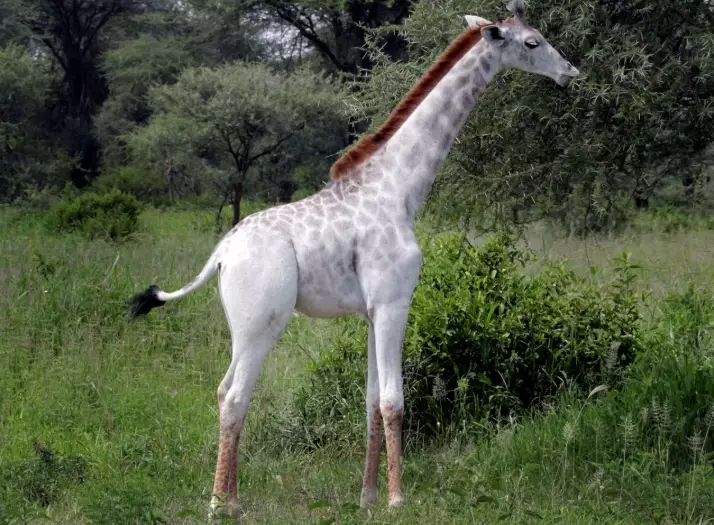
The science behind it is pretty straightforward, but the consequences are anything but. It all comes down to a recessive gene. Both parents need to carry and pass on a copy of the faulty gene for an offspring to be born with true, or complete, albinism. Think of it like a faulty recipe for making pigment. If you only have one bad copy, the other good copy can usually compensate—that animal is a carrier but looks normal. But if it gets two bad copies, the recipe fails completely. This is why albinism in animals is so rare. The odds have to align perfectly in a genetic lottery that doesn't do the winner any favors.
The Biology Behind the White Coat: More Than Skin Deep
Okay, so the genes are faulty. What actually happens inside the body? The key player is an enzyme called tyrosinase. This enzyme is essential for melanin synthesis. In animals with true albinism, a mutation in the gene that codes for tyrosinase means the enzyme is either missing or completely non-functional. No enzyme, no melanin. It's that simple and that definitive.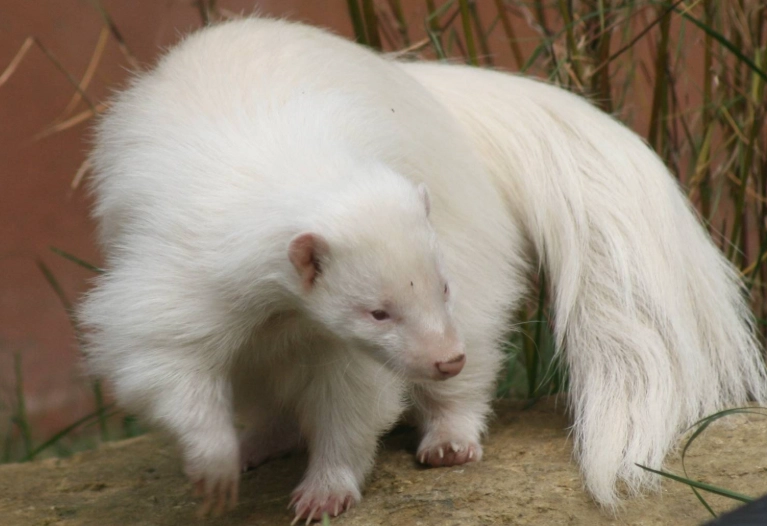
But here's where it gets interesting. Not all white animals are albino. This is a huge point of confusion. You've got to look at the eyes.
- True (Complete) Albinism: This results in a complete absence of melanin. The animal appears white or pale, and the eyes look red or pink. Why red? Because you're seeing the blood vessels in the retina—there's no pigment to color the iris. This is the classic, and rarest, form.
- Leucism: This is often mixed up with albinism. Leucistic animals have a partial loss of pigment, but it's patchy or diluted. They might have white patches, or be paler than normal, but their eyes retain their usual color (blue, brown, etc.). Their skin is typically normally pigmented too. The genetic mechanism is different, affecting pigment cells more broadly.
- Isabellinism: A less common dilution that results in a creamy, yellowish, or light brown coat.
I find it frustrating when media reports label any white animal as "albino" without checking the eyes. It muddies the water. Proper identification matters, especially for conservation tracking. The National Wildlife Federation has a great, clear resource explaining the differences between albinism and leucism, which is super helpful for amateur wildlife watchers like you and me trying to figure out what we're looking at.
The Unseen Challenges: Life on Hard Mode
Let's be blunt: albinism in animals is a severe survival disadvantage in the wild. It's not just about standing out. The challenges are layered and often brutal.
Vision Problems are the Big One. This is the most debilitating aspect that many people don't consider. Melanin is vital for normal eye development. Its absence leads to several issues collectively known as ocular albinism:
- Photophobia (Light Sensitivity): Their eyes are incredibly sensitive to light. Bright sunlight is painful and blinding. This forces many diurnal albino animals to become crepuscular (active at dawn/dusk) or even nocturnal, completely disrupting their natural behavioral patterns.
- Nystagmus: Involuntary, rapid eye movements. It's like the eyes are constantly jittering, trying to find focus. This severely impacts depth perception and the ability to track moving objects—like prey or predators.
- Foveal Hypoplasia: Underdevelopment of the part of the retina responsible for sharp, central vision. Imagine trying to see the world in slightly lower resolution all the time.
- Strabismus: Misalignment of the eyes (cross-eyed).
These aren't minor inconveniences. For a predator that needs to judge the distance to a fleeing rabbit, or for prey that needs to spot a lurking fox, poor vision is often a death sentence. The U.S. National Institutes of Health (NIH) provides detailed medical insights into the ocular manifestations of albinism, which are remarkably consistent across mammals, including humans.
Camouflage Failure. This is the obvious one. In a world where blending in is key to eating or not being eaten, a brilliant white coat is like wearing a neon sign. A white deer in a green forest, a white seal pup on a dark rock, a white snake in leaf litter—they are tragically easy targets. Their survival rates in the wild are notoriously low, especially for prey species.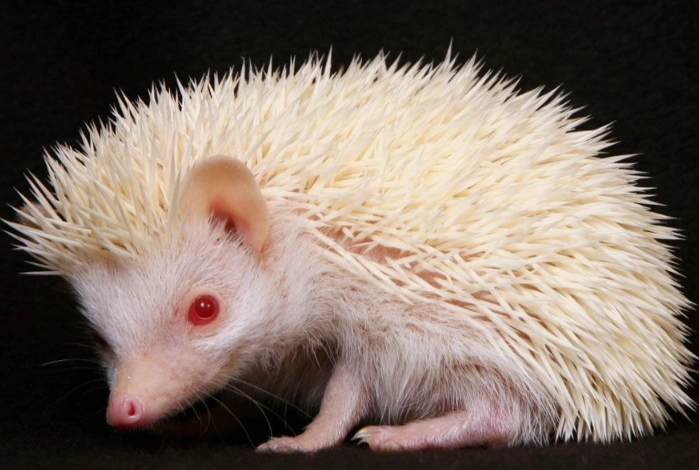
Skin Vulnerability. Melanin protects skin from ultraviolet (UV) radiation. Without it, albino animals are highly susceptible to severe sunburn and, over time, skin cancers. You'll often see them seeking shade relentlessly. In aquatic environments, like for an albino dolphin or whale, the reflection of sunlight off the water can be a particular problem.
Social Rejection. This one is sadder and more complex. In highly social species, being different can lead to ostracization. Pods of whales or troops of monkeys may reject an albino individual. It might be due to the unusual appearance triggering an "other" response, or perhaps the albino animal's impaired abilities make it a liability to the group. Either way, it adds loneliness to the list of hardships.
Famous Cases and Cultural Footprint
Because of their striking appearance, individual albino animals often become famous. They capture our imagination, swinging between being seen as sacred omens or cursed freaks.
Take Migaloo, the famous albino humpback whale first spotted off Australia in 1991. He became a celebrity. Researchers tracked his migrations, and special regulations were created to protect him from nosy boats. He's a powerful example of how a single albino animal can raise public awareness for an entire species.
On land, there's Snowflake (Floquet de Neu), the only known albino gorilla. He lived at the Barcelona Zoo for nearly 40 years. While he was a huge tourist draw, his life sparked important debates. Was he happy? His vision was poor, he was sensitive to light, and he faced 22 skin cancer operations. His case forced a lot of people to think beyond the novelty and consider the animal's quality of life. The Smithsonian Magazine did a fascinating retrospective on his life and legacy, questioning our fascination with such rare creatures.
Then there are the legends. In some Native American traditions, white bison are considered sacred, powerful symbols of prayer and abundance. Conversely, in parts of Africa, albino animals (and tragically, people) have been persecuted due to superstitions associating them with witchcraft or bad luck. This cultural baggage is heavy and real.
I have mixed feelings about the fame. On one hand, it can lead to protective measures, like with Migaloo. On the other, it can turn an animal into a spectacle, with its welfare becoming secondary to its value as an attraction. It's a tricky balance.
Dispelling Common Myths About Albinism in Animals
Let's clear the air on a few things. There's so much misinformation out there.
| Myth | Reality | Why It Matters |
|---|---|---|
| All white animals are albino. | Nope. Leucism, isabellinism, and even seasonal color phases (like arctic animals) can cause white coats. Check the eyes and skin. | Accurate identification is key for science and conservation. Mislabeling spreads confusion. |
| Albino animals have red eyes. | True albinos do. But some may have pale blue, gray, or even violet eyes depending on very minimal pigment or structural colors in the eye. | The "red eye" is a hallmark, but not the only possible presentation. It depends on the species and specific mutation. |
| Albinism makes animals aggressive or unhealthy. | There's no evidence albinism directly affects temperament. Health issues (vision, skin) are secondary to the lack of pigment, not a sign of general sickness. | This myth fuels fear and mistreatment. They are not "defective" or dangerous. |
| It's a form of evolution or adaptation. | Absolutely not. It's a genetic malfunction with severe drawbacks. In the wild, it's almost always maladaptive. | Understanding it as a disadvantage is crucial for empathy and realistic conservation efforts. |
| Albino animals are always blind. | They have impaired vision, but not necessarily total blindness. The degree varies. | Assuming total blindness underestimates their challenges, which are complex and layered. |
Conservation and Ethical Considerations
So, what do we do about albinism in animals from a conservation standpoint? This is where it gets ethically murky.
First, it's generally not something we "conserve" in itself. Conservation aims to protect healthy, genetically diverse populations. Since albinism is a recessive genetic trait that lowers fitness, natural selection works against it. Deliberately breeding for albinism in captive populations (like some people do with "designer" pet snakes or ferrets) is, in my opinion, ethically questionable. You're intentionally propagating a genetic condition that comes with known health problems, just for aesthetics. That feels wrong.
However, when an albino animal is born in the wild or in a responsible zoo's population, our duty is to give it the best care possible. In zoos, this means:
- Providing ample shaded areas and low-light shelters.
- Applying animal-safe sunscreen to exposed skin (yes, they really do this!).
- Designing enclosures that accommodate poor vision (avoiding sharp drops, complex obstacles).
- Regular veterinary checks for skin lesions.
For wild albino animals, intervention is rare and controversial. Should you rescue a visibly struggling albino fawn? Most wildlife experts would say no, as hard as it is to watch. It's part of the natural selection process. Removing it from the gene pool is what nature would do anyway. But high-profile, iconic individuals like Migaloo sometimes receive special protection to prevent human-caused harm, which is a different matter.
A List of Notable Albino Animals in the Wild and Captivity
Just to give you a sense of how widespread this condition is across the tree of life, here's a quick rundown of some notable examples. This isn't a ranking, just a collection that shows the diversity.
- Marine Mammals: Migaloo (humpback whale), Bahloo (another albino humpback calf, possibly Migaloo's), albino dolphins (several spotted worldwide).
- Primates: Snowflake (gorilla), various albino monkeys and lemurs occasionally reported.
- Ungulates: White deer (often leucistic, but true albinos occur), albino moose, albino buffalo.
- Birds: Albino robins, crows (which look truly ghostly), penguins, and hummingbirds. Feathers without pigment are often weaker and wear out faster.
- Reptiles & Amphibians: Albino snakes (common in the pet trade), turtles, alligators/crocodiles, and even frogs. Their red eyes against pale skin make them look quite surreal.
- Fish: Common in pet trade (goldfish, catfish). In the wild, albino catfish are sometimes caught—they stand no chance against predators.
- Invertebrates: Even recorded in insects like albino lobsters and locusts. The odds are astronomically low.
Seeing this list, it really hits home that albinism in animals is a universal biological glitch, not tied to any one group. It's a reminder of our shared genetic machinery across the animal kingdom.
Final Thoughts: Beyond the Novelty
When we look past the initial shock of their appearance, albino animals teach us profound lessons about genetics, adaptation, and empathy. They are natural experiments, showing us what happens when a single metabolic pathway fails. They force us to consider the value of traits we take for granted, like sight and camouflage.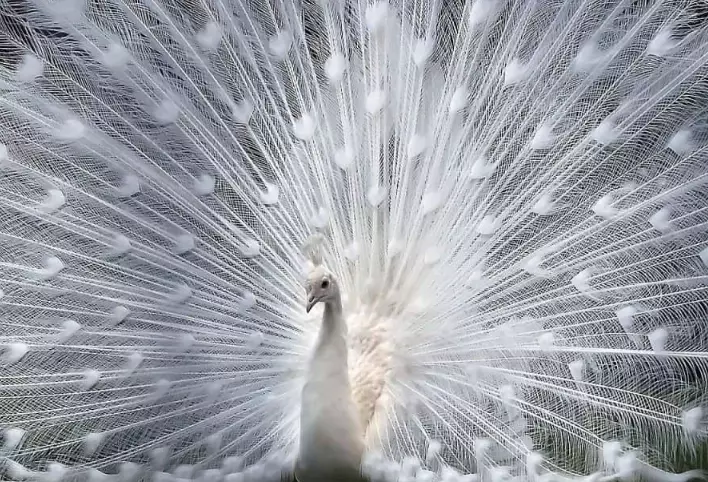
For wildlife enthusiasts and photographers, the urge to seek them out is strong. I get it. But the ethical approach is to prioritize the animal's welfare over the perfect shot. If you're lucky enough to encounter one in the wild, consider it a privilege, not a photo op. Your quiet observation is the most respectful tribute.
The study of albinism in animals also has important spillover benefits. Research into the vision problems associated with albinism contributes to human ophthalmology. Understanding the genetics helps us map hereditary patterns across species. Organizations like the International Albinism Alliance work on awareness that benefits both human and animal understanding, breaking down harmful myths.
In the end, these "living ghosts" are a testament to the randomness and fragility of life. They remind us that normalcy is a spectrum, and survival is often a matter of luck stacked on top of biology. Their greatest legacy shouldn't be their fame, but the deeper curiosity and compassion they spark in us about the intricate, often unforgiving, workings of the natural world.

Comments
Leave a Comment