If you've found yourself here, you're probably looking at pictures of fluffy, teddy-bear-like dogs and wondering what on earth they are. Or maybe a neighbor has one, and you just had to ask. I get it. That mix of curly and poofy fur, the bright eyes, the compact size—it's incredibly appealing. Let's clear up the first mystery right away. When you cross a Poodle (usually a Toy or Miniature) with a Pomeranian, the resulting adorable fluffball is most commonly called a Pomapoo. You might also hear Pomeranian Poodle mix, Pompoo, or Pooranian, but Pomapoo is the name that really stuck. It just rolls off the tongue, doesn't it? I remember the first time I met one at a local dog park. Its owner called it a "Pom-a-poo," and I spent a good five minutes thinking she was making a joke. Turns out, she wasn't. This designer dog has been charming its way into homes for a few decades now, blending the smarts and low-shedding coat of the Poodle with the bold, lively personality of the Pomeranian. But is it all just cute looks? What's it really like to live with one? That's what we're going to dig into, beyond just answering "what is a poodle Pomeranian mix called?". Quick Take: The Pomapoo is a small, intelligent, and affectionate companion dog. They are typically friendly, good with families (often better with older children), and are marketed as being good for allergy sufferers due to their Poodle-inherited coat. However, they are not a standardized breed, so their looks and temperament can vary a lot. Okay, so we know what a poodle Pomeranian mix is called. Now, let's get into the nitty-gritty. A Pomapoo isn't a purebred dog recognized by major kennel clubs like the AKC. It's a crossbreed or designer dog. This means you get a mix of traits from both parent breeds, and no two Pomapoos are exactly alike. One puppy in a litter might look and act more like a Pom, while its sibling might be a dead ringer for a tiny Poodle. This variability is a double-edged sword. It makes them unique, but it also means you can't be 100% certain about adult size, coat type, or health predispositions. Reputable breeders will focus on crossing healthy, temperament-tested parents to improve predictability, but there are no guarantees. It's a bit of a genetic lottery, which is something you need to be comfortable with. That table gives you a snapshot, but let's talk about the reality of that coat. The "hypoallergenic" label gets thrown around a lot with Poodle mixes. Here's the real deal: no dog is 100% hypoallergenic. People are usually allergic to a protein in dog dander (dead skin cells) and saliva. Poodles and their mixes shed less dander into the environment because their curly hair traps it. So, a Pomapoo might be better for some allergy sufferers, but they are not a cure-all. If you have severe allergies, spend lots of time with an adult Pomapoo before committing. I've known people who got one hoping for zero reactions and were disappointed to find they still needed antihistamines. This is where things get fun. Asking "what is a poodle Pomeranian mix called?" leads you to the Pomapoo, but asking about its personality reveals a complex little character. You're merging two highly intelligent, people-oriented breeds. The Poodle side brings trainability, alertness, and a sometimes sensitive nature. The Pomeranian side brings confidence, extroversion, and a surprising dose of fearlessness. The result? A dog that's often: Socialization is non-negotiable. Expose your Pomapoo puppy positively to all sorts of people, dogs, sights, and sounds. A well-socialized Pomapoo is a joyful, adaptable companion. An undersocialized one can become nervous, fearful, or develop "small dog syndrome"—where they become yappy and snappy to compensate for their size. It's a common pitfall for small breeds. Watch Out For: Separation anxiety is a real possibility with this mix. Both parent breeds can be prone to it, and the Pomapoo's strong attachment to its people can make being alone very stressful. Crate training from day one and teaching them to be comfortable alone for short periods is essential. Leaving a young Pomapoo alone for 8 hours a day is a recipe for a distressed dog and destroyed furniture. Let's move past the basics and into what it actually takes to care for one of these dogs. Knowing what a poodle Pomeranian mix is called is step one. Knowing how to keep it happy and healthy is everything else. That cute, fluffy coat is high-maintenance. I can't stress this enough. If you dislike brushing, this might not be the dog for you. Their coat can mat and tangle easily, especially if it's more Poodle-like. Matting isn't just unsightly; it's painful, pulls on the skin, and can harbor moisture and bacteria leading to skin infections. I made the mistake of skipping a few brushings with a friend's Pomapoo I was watching. One weekend of neglect and we were dealing with a small mat behind its ear. The dog hated having it combed out, and I felt terrible. Lesson learned the hard way. They're small, but they're not couch potatoes. A couple of short walks (15-20 minutes) per day, combined with active play sessions indoors (fetch, tug-of-war), is usually sufficient. They love to play and use their brains. Puzzle toys, snuffle mats, and training sessions for new tricks are fantastic ways to tire them out mentally. A bored Pomapoo will find its own entertainment, and you probably won't like its choices (chewing shoes, digging at carpets, excessive barking). Pro Tip: Train using their meals! Instead of feeding from a bowl, use part of their daily kibble for training exercises or hide it in a puzzle toy. It turns dinner into a rewarding brain game. Crossbreeds can benefit from hybrid vigor, but they are still susceptible to health issues common in their parent breeds. A responsible breeder will conduct health screenings on the parent dogs. Always ask for proof (OFA or PennHIP for patellas, eye exam certificates, etc.). Common health concerns in Pomapoos include: Honestly, the potential for these issues is why pet insurance or a dedicated savings account for vet bills is a smart move for any dog owner, but especially for small breeds prone to specific conditions. Now you know what a poodle Pomeranian mix is called and what they're about. How do you actually get one? You have two ethical options: a responsible breeder or adoption/rescue. Responsible Breeders: They are not easy to find and they won't be the cheapest option. A good breeder's goal is to better the breed, not just make puppies. They will: Be wary of anyone selling multiple breeds, always has puppies available, won't let you visit, or only communicates via text. These are red flags for puppy mills or backyard breeders. Rescue and Adoption: Don't overlook this! Mixed breed dogs, including Pomapoos and similar small mixes, often end up in shelters or breed-specific rescues. Organizations like Petfinder or Adopt-a-Pet are great places to search. You might save a life and get a wonderful adult dog whose personality is already known. The third option—pet stores or online brokers—is one I strongly advise against. It almost always supports the cruel puppy mill industry. They can be, with proper training and socialization. They often do best with older, respectful children who understand how to interact gently with a small dog. Their small size makes them fragile; a toddler's accidental fall could seriously injure them. With other pets, early positive introductions are key. They can live happily with cats and other dogs, but their Pomeranian heritage might make them a bit bossy or jealous. Supervise all interactions. From a responsible breeder, expect $1,000 to $2,500 USD or more, depending on location, the breeder's reputation, and the parents' health testing. The initial cost is just the beginning. Factor in lifetime expenses: high-quality food, grooming every month or two, vet care (routine and potential issues), insurance, toys, and supplies. It adds up quickly. Yes and no. They are intelligent and eager to please (the Poodle side), which makes them quick learners. However, they can be independent and sensitive (the Pomeranian side). Harsh corrections will shut them down. Keep training sessions short, fun, and positive. Consistency is king. Housebreaking can sometimes be a challenge with small dogs; be patient and use a regular schedule. Not for long periods. They are companion dogs through and through. Leaving an adult Pomapoo alone for 4-6 hours might be okay if they are properly exercised and have toys, but 8-10 hour workdays are not ideal without a midday break from a dog walker. As puppies, they need to be let out every few hours anyway. This is a great question. Both are Poodle mixes, but the other parent is different. A Cockapoo is a Cocker Spaniel and Poodle mix. Cockapoos are often a bit larger (can be up to medium size), and their temperament is generally more laid-back and goofy, inheriting the sweet, gentle Spaniel nature. Pomapoos, with the Pomeranian parent, tend to be smaller, more alert, and sometimes more strong-willed or vocal. It's a different flavor of Poodle mix! So, we've gone far beyond just naming the mix. The Pomapoo is a delightful, engaging, and loving dog for the right person or family. They thrive with owners who can provide: If your lifestyle is busy, unpredictable, or you're away from home most of the day, a more independent or lower-maintenance breed might be a better fit. There's no shame in that. The goal is to match a dog to your life so you can both be happy. If you're ready for the brushing, the barking alerts, the bursts of playful energy, and the unwavering loyalty, then a Pomapoo could be an incredibly rewarding companion. They fill a home with a lot of personality in a very small, very fluffy package. Just remember, answering "what is a poodle Pomeranian mix called?" is the easy part. The real journey begins when you bring one home. Do your homework, meet some in person if you can, and choose your source ethically. Whether from a dedicated breeder or a rescue shelter, a well-cared-for Pomapoo will repay you with years of affection and entertainment. Good luck!In This Guide
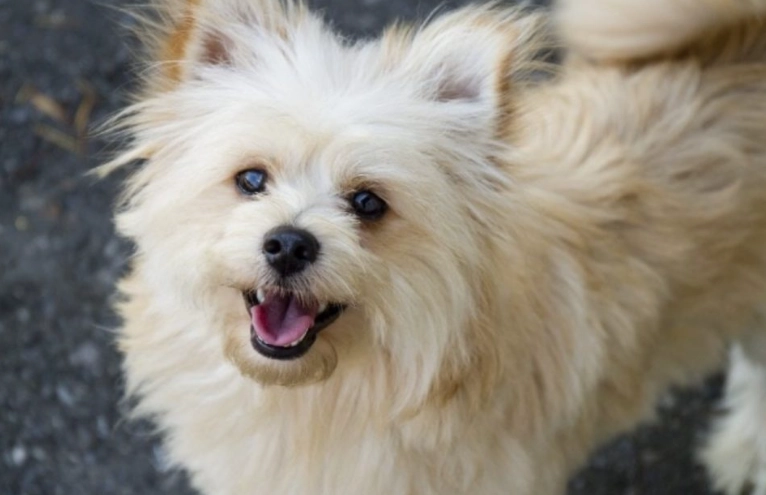
The Pomapoo Breakdown: More Than Just a Cute Name

Trait
Typical Pomapoo Characteristic
Inherited From
Size
Small; usually 5 to 15 pounds
Both parents are small breeds
Height
8 to 10 inches at the shoulder
Both parents
Coat Type
Can be curly, wavy, or straight; often a soft mix
Poodle (curly) & Pomeranian (straight/double)
Shedding
Low to moderate; not truly non-shedding
Poodle influence reduces shedding
Lifespan
12 to 16 years
Generally healthy hybrid vigor
Energy Level
Moderate to high; needs daily play & walks
Pomeranian (lively) & Poodle (active)
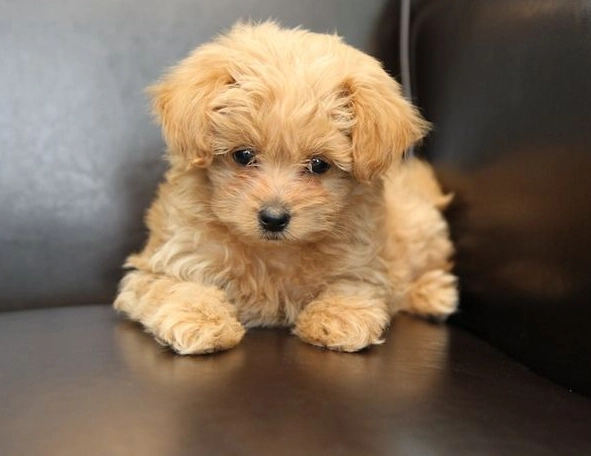
Personality: A Big Dog in a Small Package (Sometimes)
Living with a Pomapoo: The Day-to-Day Reality

Grooming: It's Not Just About Looks
Exercise and Mental Stimulation
Health Considerations: What to Watch For
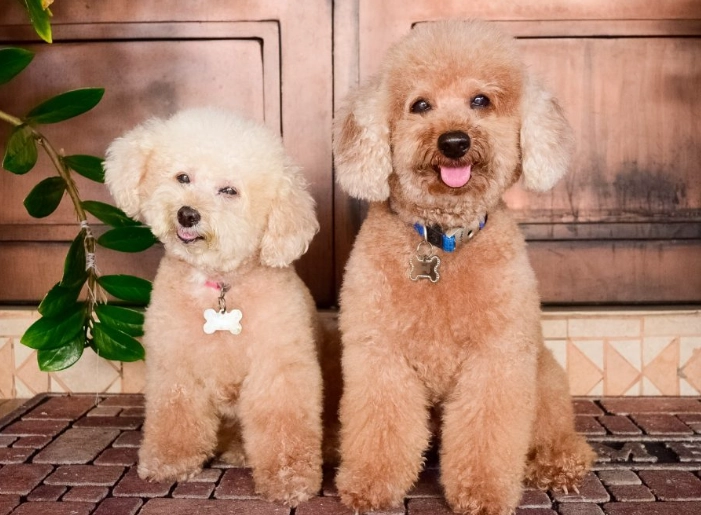
Finding a Pomapoo: Breeder, Rescue, or Avoid?
Your Pomapoo Questions, Answered
Are Pomapoos good with kids and other pets?
How much does a Pomapoo cost?
Are they easy to train?
Can they be left alone?
What's the difference between a Pomapoo and a Cockapoo?
Final Thoughts: Is the Pomapoo Right for You?
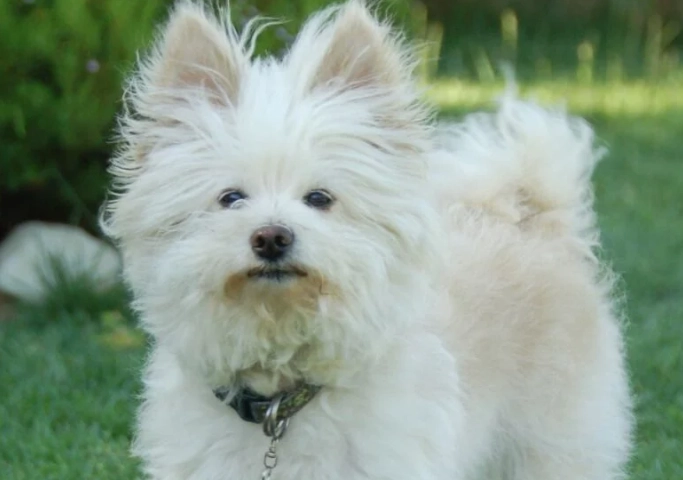
Pomapoo: Complete Guide to the Poodle Pomeranian Mix Breed
Comment