Quick Guide
So you're curious about big hairless dog breeds. Maybe you saw a picture online, all sleek and statuesque, and thought, "Wow, that's different." Or perhaps you're looking into hypoallergenic options and heard that hairless might be the way to go. Let's get one thing straight right off the bat—owning a large hairless dog is a unique experience. It's not just about having a dog that doesn't shed (though that's a huge plus for many). It's about embracing a whole different set of care routines, understanding their specific health needs, and loving a look that turns heads for better or worse.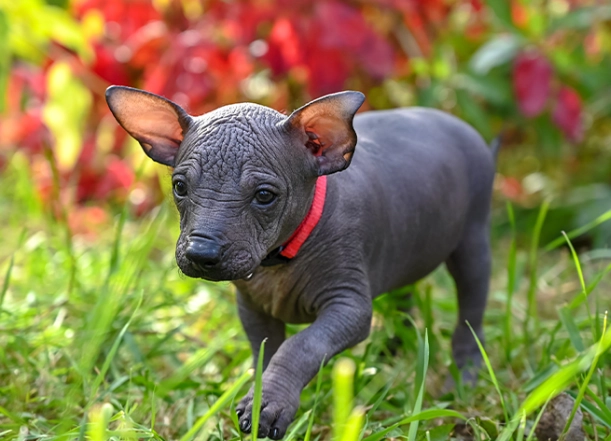
I remember the first time I met a Xoloitzcuintli in person. It was at a dog show, and I was struck by how warm its skin was to the touch and how intently it watched everything. The owner was constantly applying sunscreen. It shattered my assumption that these were "easy" dogs. That experience stuck with me and made me want to dig deeper.
What Exactly Are Big Hairless Dog Breeds?
When we talk about big hairless dog breeds, we're usually referring to two primary ancient breeds recognized by major kennel clubs: the Xoloitzcuintli (show-low-eats-queen-tlee), often called the Xolo, and the Peruvian Inca Orchid. Sometimes the Chinese Crested is mentioned, but its "large" variety is still a medium-sized dog, so we'll focus on the truly substantial ones. These aren't designer mutants; they're natural genetic variations that have existed for thousands of years. The hairlessness is caused by a dominant gene, and interestingly, in the same litter, you can get both hairless and coated puppies. The coated ones are called "coated varieties" or sometimes "powderpuffs," and they're crucial for maintaining genetic health.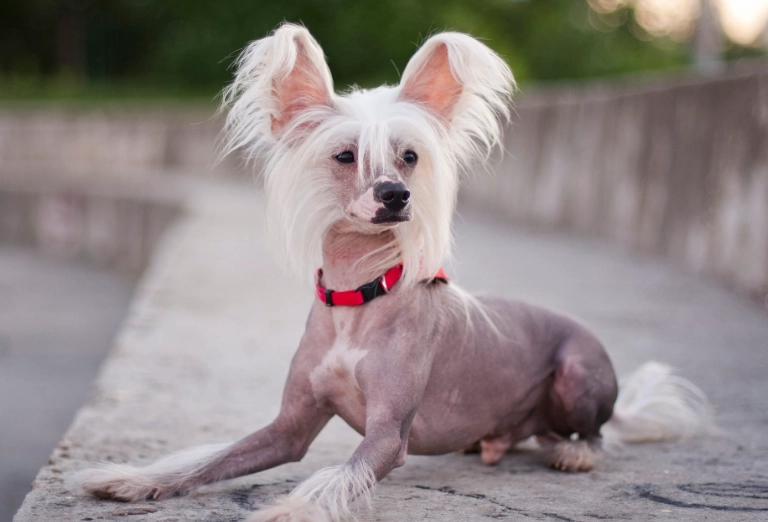
Their history is fascinating. The Xolo is considered one of the most ancient dog breeds in the world, with roots in pre-Columbian Mesoamerica. Archaeologists have found pottery and artifacts depicting these hairless dogs dating back over 3000 years. They weren't just pets; they were believed to have healing properties and spiritual significance, guiding souls through the underworld. The Peruvian Inca Orchid has a similarly storied past in ancient Peruvian cultures.
The Two Primary Breeds: Xoloitzcuintli and Peruvian Inca Orchid
Okay, let's break down the main players in the world of large hairless dog breeds. They share similarities but have distinct personalities and traits.
The Xoloitzcuintli (Xolo)
The Xolo comes in three sizes: toy, miniature, and standard. It's the standard Xolo that fits our "big" category, typically standing 18 to 23 inches at the shoulder and weighing 20 to 30 pounds. Some can be even larger, pushing into the 35-40 pound range. Don't let the weight fool you—they are lean, athletic, and can appear larger due to their elegant proportions.
Personality-wise, Xolos are often described as calm, alert, and dignified. They form incredibly strong bonds with their families but can be aloof or reserved with strangers. This isn't a golden retriever that will greet every guest with a sloppy kiss. They are intelligent and can be willful, which means training requires patience and consistency. They're not yappy dogs, but they are excellent watchdogs—they'll let you know if something is amiss. Their energy level is moderate; they enjoy a good walk or play session but are also champion couch cuddlers (especially under a blanket, as they get cold easily).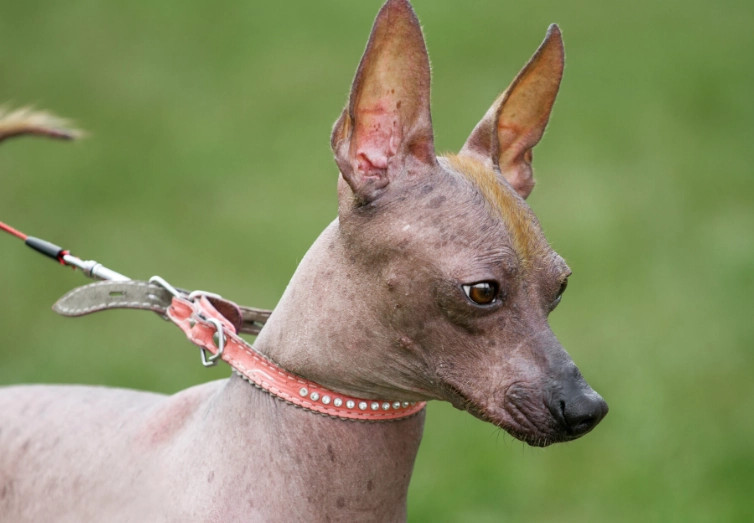
The Peruvian Inca Orchid (Perro Sin Pelo del Perú)
This breed is more slender and greyhound-like in build. They also come in multiple sizes, with the large variety standing over 19.5 inches and weighing up to 55 pounds. They are the true "big" option among hairless dog breeds large in stature. Their silhouette is graceful, agile, and fast.
Temperamentally, they are often more sensitive and gentle than the Xolo. They can be shy and are known to bond intensely with a single person. Early and extensive socialization is absolutely non-negotiable for this breed to prevent skittishness. They are affectionate with their inner circle but reserved with outsiders. Like the Xolo, they are quiet but vigilant.
| Trait | Xoloitzcuintli (Standard) | Peruvian Inca Orchid (Large) |
|---|---|---|
| Average Height | 18" - 23" | 19.5" - 25.5"+ |
| Average Weight | 20 - 30 lbs (up to 40 lbs) | 25 - 55 lbs |
| Build | Moderate, rectangular, sturdy | Slender, elegant, racy (sighthound-like) |
| Core Temperament | Calm, alert, dignified, reserved | Sensitive, gentle, affectionate (with family), shy |
| Energy Level | Moderate | Moderate to High (can have bursts of speed) |
| Best For | Families or individuals seeking a loyal, quiet companion | Experienced owners who can provide gentle leadership & lots of socialization |
For detailed, official breed standards, which are the best resource for understanding the ideal specimen of each breed, you can refer to the American Kennel Club's Xoloitzcuintli page and information on the United Kennel Club's Peruvian Inca Orchid page. The UKC was the first major registry in the U.S. to recognize the breed.
The Real Deal on Care and Maintenance
Here's where many potential owners get a wake-up call. Caring for a big hairless dog is a commitment. Their skin is exposed, which means it's susceptible to everything: sunburn, dryness, acne, scratches, and cold. If you're not prepared for this, you're not prepared for the breed.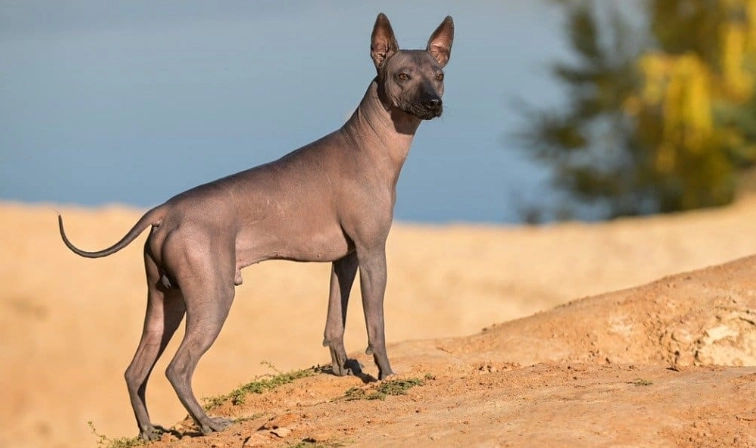
The Non-Negotiable Skin Care Routine
- Bathing: They need weekly baths with a mild, hypoallergenic, or dog-specific moisturizing shampoo. Human shampoo is too harsh and will strip their natural oils, leading to dry, flaky, and irritated skin. After bathing, pat dry thoroughly—don't rub—and apply a pet-safe moisturizer or a light, natural oil like coconut or almond oil. I've heard from owners who swear by a specific oat-based lotion.
- Sun Protection: This is critical. Their skin can sunburn just like ours. For any prolonged outdoor time in sunny weather, you must apply a pet-safe sunscreen (zinc oxide is toxic if ingested, so avoid human sunscreens with it). Better yet, get them a lightweight sun-shirt or suit. Morning and evening walks are your friend.
- Cold Weather Protection: They get cold. Easily. In cooler climates, they will need sweaters, jackets, and even pajamas for sleeping. A cozy dog bed away from drafts is a must. Don't be surprised if they burrow under the blankets every night.
- Acne and Blackheads: Yes, dogs get pimples too. Especially adolescent hairless dogs. You'll need to keep their skin clean, and sometimes use medicated wipes prescribed by your vet. Don't pop them! You can cause infection.
Diet and Nutrition
Their metabolism can be high to regulate body temperature without a fur coat. A high-quality diet rich in good fats (like omega-3 and omega-6) is essential for maintaining healthy skin from the inside out. Many owners find that diets formulated for sensitive skin work well. Be mindful of food allergies, which can manifest as skin rashes or bumps. It's always best to consult with your veterinarian for personalized dietary advice. Resources like the Cornell University College of Veterinary Medicine's canine health center provide excellent, science-backed overviews on canine nutrition.
Health Considerations for Large Hairless Breeds
All purebred dogs have predispositions to certain conditions, and big hairless dog breeds are no exception. Being informed is key to providing a long, healthy life.
- Dental Issues: The hairlessness gene is linked to incomplete dentition. Hairless varieties often have missing, malformed, or early-loss teeth. This means dental care is paramount from puppyhood. Regular brushing and veterinary dental check-ups are a must.
- Skin Conditions: As discussed, they are prone to sunburn, dryness, acne, and fungal or bacterial infections if not cared for properly. They can also get scratches and abrasions more easily than furry dogs.
- Patellar Luxation: This is a common knee issue in many small to medium-sized breeds, which can affect the smaller varieties of these breeds.
- Genetic Health: Reputable breeders test their breeding stock for known issues. For Xolos, responsible breeders screen for conditions like hip dysplasia, patellar luxation, and certain cardiac and eye diseases. The Orthopedic Foundation for Animals (OFA) database is a trusted resource where you can check health clearances for specific breeds.
The single most important thing you can do is find a breeder who prioritizes health and temperament over everything else. A good breeder will be transparent about health testing, welcome your questions, and be a resource for you throughout the dog's life. They will also be placing coated puppies from their litters in loving homes, as these dogs are vital to the breed's future.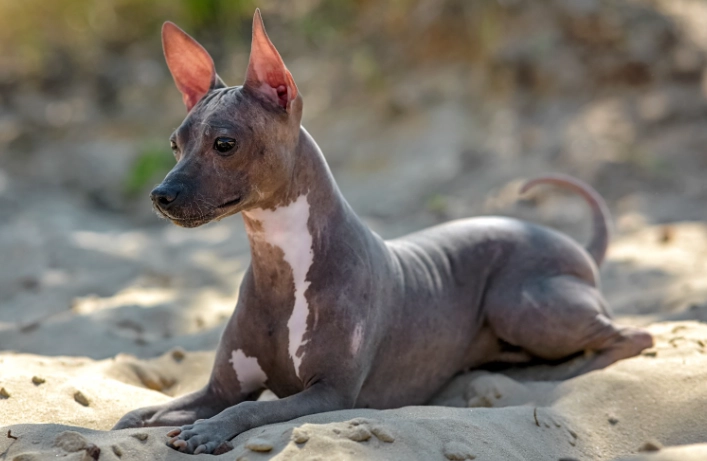
Are You the Right Home for a Big Hairless Dog?
Let's do a quick reality check. These dogs are not for everyone. They might be a fantastic fit if:
- You want a loyal, low-shedding companion and are committed to the skincare routine.
- You prefer a quieter, more observant dog over a boisterous, outgoing one.
- You are home a fair amount or can take your dog with you (they bond deeply and don't do well with long, frequent alone times).
- You live in a moderate climate or are willing/able to manage clothing for extreme temperatures.
- You are an experienced dog owner or are willing to do a ton of research and possibly work with a trainer.
You might want to reconsider if:
- You want a low-maintenance dog. This is the opposite.
- You have young children who might be rough or not understand the dog's sensitivity (always supervise, but these breeds can be more fragile-skinned).
- You want a dog park social butterfly.
- You live in an area with intense, year-round sun or harsh, cold winters without a plan to mitigate it.
- You are on a tight budget. Potential vet bills for dental and skin issues can add up.
Frequently Asked Questions (FAQs)
Are big hairless dog breeds really hypoallergenic?
This is the million-dollar question. They are often better for people with allergies because they don't shed fur that carries dander and saliva around the house. However, they still produce the allergenic proteins in their saliva and skin dander (dead skin flakes). Allergy severity varies per person. The only way to know is to spend several hours with the breed in a home setting, not just a quick meet-and-greet.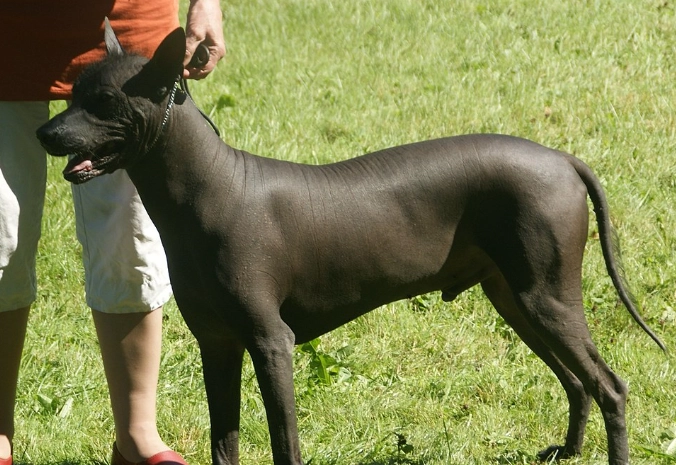
Do they feel cold or hot more easily?
Absolutely. They lack the insulating fur coat. They get cold very easily in temperatures most furry dogs would find comfortable and need clothing. Conversely, their skin can sunburn quickly, so they overheat and burn in direct sun. Temperature regulation is a constant consideration.
How long do large hairless dogs live?
They are generally healthy, ancient breeds with good longevity. A well-cared-for Xolo or Peruvian Inca Orchid often lives between 12 to 15 years, sometimes longer.
Can they live with other pets?
Yes, with proper introduction and socialization. They can do well with other dogs, especially if raised together. Their prey drive varies; some Xolos can have a moderate drive, and Peruvian Inca Orchids, with their sighthound build, may have a higher instinct to chase small, fast-moving animals (like cats or squirrels). Always supervise and introduce carefully.
Where can I adopt or responsibly buy a big hairless dog?
Adoption is possible but rare for purebred puppies. Check breed-specific rescues like the Xoloitzcuintli Rescue League. For a puppy, seek a reputable breeder who is a member of the national breed club (like the Xoloitzcuintli Club of America), performs full health testing on parents, raises puppies in the home, and asks you as many questions as you ask them.
Final Thoughts
Choosing to welcome any dog is a big decision. Choosing one of the big hairless dog breeds is a decision that comes with a unique manual. It's a commitment to being a sunscreen applier, a sweater selector, and a gentle bather. But in return, you get a companion of profound loyalty and ancient grace. You get a conversation starter, for sure, but more importantly, you get a deep, quiet bond with a living piece of history that doesn't shed on your couch.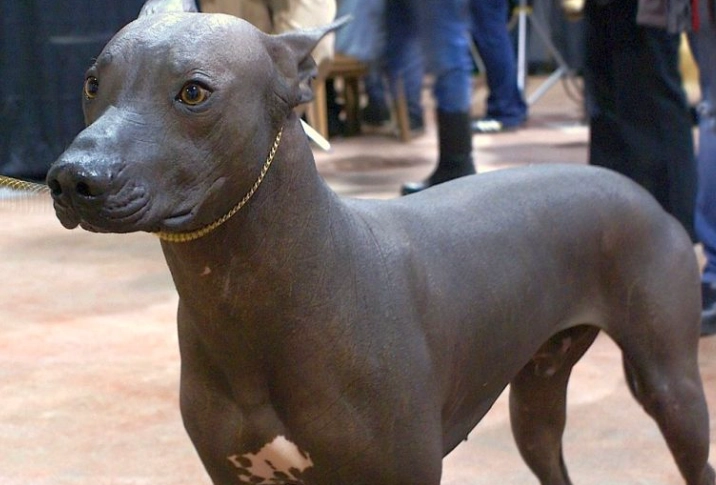
Do your homework. Meet the breeds. Talk to owners and breeders. Look past the striking appearance and ask yourself if you can meet their daily needs for the next decade or more. If the answer is a resounding yes, then you might just be ready for one of the most unique journeys in dog ownership.
Just don't forget to buy the sunscreen.
Comment