I remember the first time I saw one in person. It wasn't at a fancy dog show. It was at a friend's apartment, this sleek, warm creature curled up on a sofa like a living piece of art. I reached out to pet it, expecting the cool feel of leather, but it was just... warm skin. That's when the fascination started. The Mexican hairless dog, or Xoloitzcuintli (show-low-eats-queen-tlee—try saying that three times fast), is one of those breeds that stops conversation. Is it a dog? A mystical creature? An allergy sufferer's dream pet?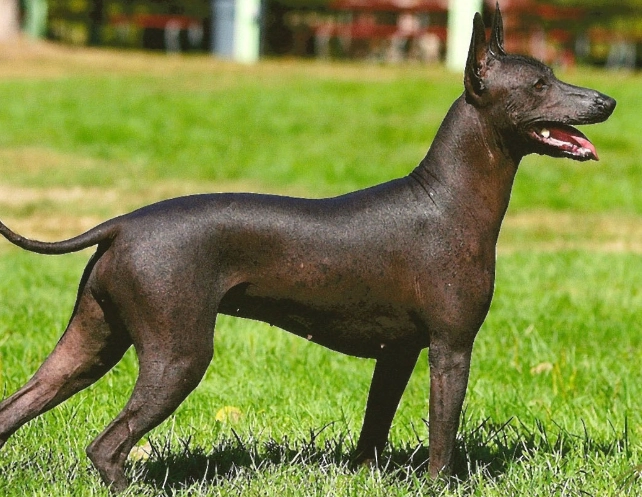
Maybe all of the above. But behind that unique look is a dog with a story deeper than most, and a set of needs that are anything but low-maintenance. If you're just looking at pictures and wondering, "Could this be my dog?", you've come to the right place. We're going to peel back the layers on this ancient breed, far beyond the "hypoallergenic" label everyone throws around. We'll talk history, we'll get real about care, and we'll tackle the big question: is a Xolo the right fit for your life, or are you just in love with the idea?
More Than Just Hairless: A Living Piece of History
Let's get one thing straight. Calling the Xoloitzcuintli just a "Mexican hairless dog" feels a bit like calling the Great Pyramid a big pile of rocks. It misses the point entirely. This breed's history is woven into the fabric of ancient Mesoamerica. The name itself comes from the Aztec god Xolotl (the god of fire and lightning, often depicted as a monstrous figure) and "itzcuintli," the Aztec word for dog. They were considered sacred guides for the souls of the dead through the dangerous underworld, Mictlan. Archaeologists have found Xolo remains in tombs dating back over 3500 years.
Think about that for a second. This dog was sharing hearths and spiritual duties with civilizations while much of the world was still in the Stone Age. The American Kennel Club recognizes it as one of the most ancient dog breeds in the world. The Fédération Cynologique Internationale (FCI), the global canine organization, also details its deep historical roots. They weren't just pets; they were healers (their warm bodies were used to soothe ailments like arthritis), guardians, and spiritual companions.
Funny thing about the "hairless" part: There's actually a coated variety of Xoloitzcuintli! That's right, not all Xolos are hairless. The coated variety has a short, flat coat and is genetically the same breed, just carrying a different expression of the hairless gene. In a litter of hairless Xolos, you might find one or two coated puppies. They were just as valued historically, though the hairless trait became dominant for its perceived utility and uniqueness.
By the time the Spanish conquistadors arrived, the Xolo was widespread. The Spaniards, seeing the dogs in religious contexts, tried to wipe them out, nearly driving the breed to extinction. It was a group of dedicated Mexican artists and intellectuals in the 1950s who went into remote villages to find remaining specimens and save the breed. Their efforts are why we have the modern Mexican hairless dog today. The Mexican government even declared the Xoloitzcuintli part of the nation's cultural heritage. You can read more about this cultural significance on the official Mexican Ministry of Culture website.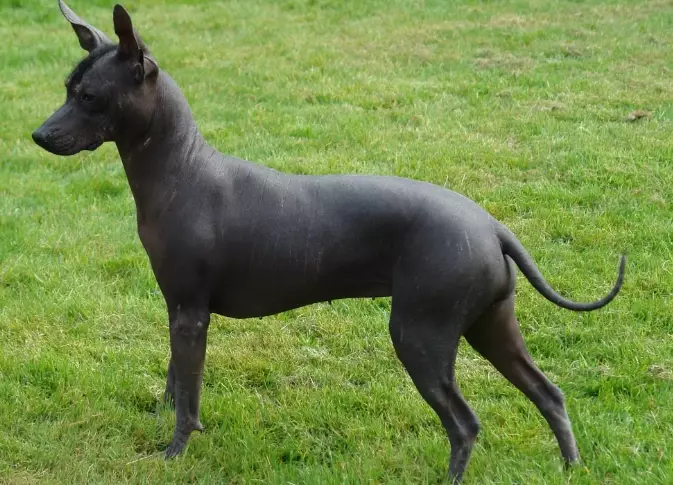
So when you look at a Xolo, you're not just looking at a dog. You're looking at a survivor, a cultural icon, a four-legged piece of living history. That comes with a certain presence, you know? They carry themselves differently.
Breaking Down the Xolo: Size, Looks, and That Famous Skin
Alright, history lesson over. Let's talk about what you're actually getting if you bring one home. The Xoloitzcuintli comes in three sizes, and the difference isn't just about how much space they take up on your couch. It can influence their energy levels and even their health.
| Size Variety | Height (at the shoulder) | Weight | Best For |
|---|---|---|---|
| Toy | 10 to 14 inches | 10 to 15 lbs | Apartment living, true lapdog companions. Surprisingly sturdy for their size. |
| Miniature | 14 to 18 inches | 15 to 30 lbs | The "Goldilocks" size. Enough dog for activities, but still manageable in most homes. |
| Standard | 18 to 23 inches | 30 to 55 lbs | Active families, those wanting a more substantial athletic partner. The closest to the ancient working Xolos. |
The skin. This is the big one. It's not like human skin, and it's not like leather. It's thick, smooth, and incredibly warm to the touch. It can range in color from slate gray to black, bronze, liver, or even a pinkish hue (often with spots). Because it's exposed, it's prone to sunburn in summer and dryness/chapping in winter. You'll become an expert in dog-safe sunscreen and moisturizers. Acne and blackheads? Yep, they can get those too, especially during adolescence. It's a whole skincare routine.
Their look is elegant and angular. They have a sleek, deer-like head, large bat-like ears that are perpetually alert, and a long, slender tail. Their expression is often described as thoughtful, calm, and a little bit noble. The coated variety looks quite different—like a generic short-haired dog—but shares the same elegant build.
The Xolo Personality: Aloof, Loyal, and Surprisingly Goofy
If you want a dog that loses its mind with joy at every stranger's approach, a Xolo might disappoint you. They are famously reserved with people they don't know. It's not aggression; it's a dignified aloofness. They'll assess the situation from a distance, often choosing to observe rather than participate in the initial chaos.
But with their family? That's a different story. The bond a Xoloitzcuintli forms with its primary person or people is intense. They are profoundly loyal, affectionate, and often velcro dogs who want to be in your space, touching you. That warm skin is like a personal heating pad. Many owners joke that their Xolo is more like a cat in dog's clothing—independent, clean, particular, but deeply bonded on their own terms.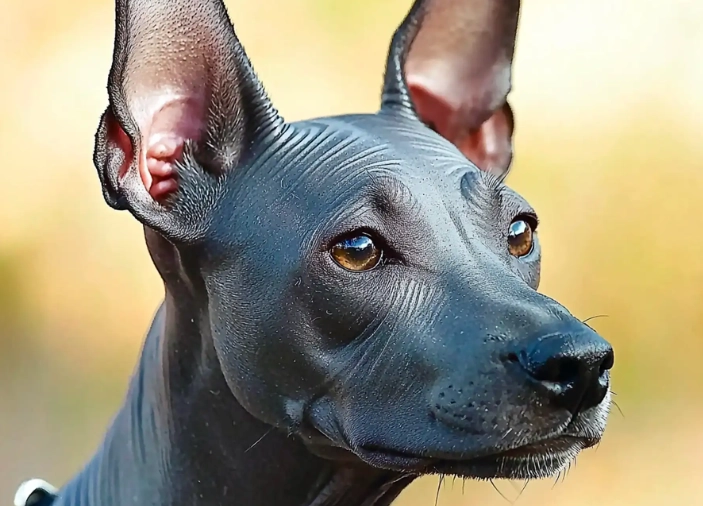
They're intelligent, but not necessarily eager-to-please in the way a Golden Retriever is. Training requires patience, consistency, and positive reinforcement. They get bored with repetition quickly. Socialization from a very young age is non-negotiable. Exposing them to various people, places, sounds, and other dogs (carefully) is crucial to prevent their natural wariness from tipping into fearfulness or anxiety.
Here's a personal observation: they have a quirky, almost spooky side. They are incredibly alert and sensitive to their environment. Some owners report them seeming to "see" or react to things that aren't there, which, given their spiritual history, always makes for fun stories. And despite the noble exterior, they can be complete clowns at home, performing silly "zoomies" and engaging in playful antics.
The Real Deal on Care: It's Not Just About Sunscreen
Let's bust a myth. A Mexican hairless dog is not a low-maintenance dog because it doesn't need grooming. In many ways, it's more work. You're swapping brushing for a full skincare and health regimen.
The Xoloitzcuintli Care Checklist
- Skincare: Weekly baths with a mild, moisturizing shampoo to remove dirt and oils. Regular application of dog-safe lotion or oil (coconut oil is a popular choice) to prevent dryness. Dog-specific sunscreen (SPF 30+) on any exposed skin before going outside on sunny days.
- Temperature Control: They are sensitive to extreme temperatures. In cold weather, they need coats or sweaters. In hot weather, avoid the midday sun and provide plenty of shade and water. Their bed should be soft, as hard surfaces can cause calluses on their elbows and hocks.
- Dental Health: Hairless Xolos often have incomplete dentition—they're naturally missing some teeth. This makes dental care paramount. Daily tooth brushing and veterinary dental checks are essential to prevent periodontal disease.
- Nails & Ears: Regular nail trims are a must. Their ears, being large and erect, don't have the hair to protect them from debris, so weekly checks and gentle cleaning are needed.
- Diet: A high-quality diet supports healthy skin. Some Xolos have sensitive stomachs or food allergies, so finding the right food may take some trial and error.
Exercise needs are moderate. A couple of good walks a day, plus some playtime or mental stimulation, is usually enough. They are sprinters, not marathon runners. A securely fenced yard is ideal, but they can adapt to apartment life if their exercise needs are met. Remember, they are sight hounds at heart. Their prey drive can be high, so a squirrel or a rabbit can trigger a lightning-fast chase. A leash or a very secure area is mandatory.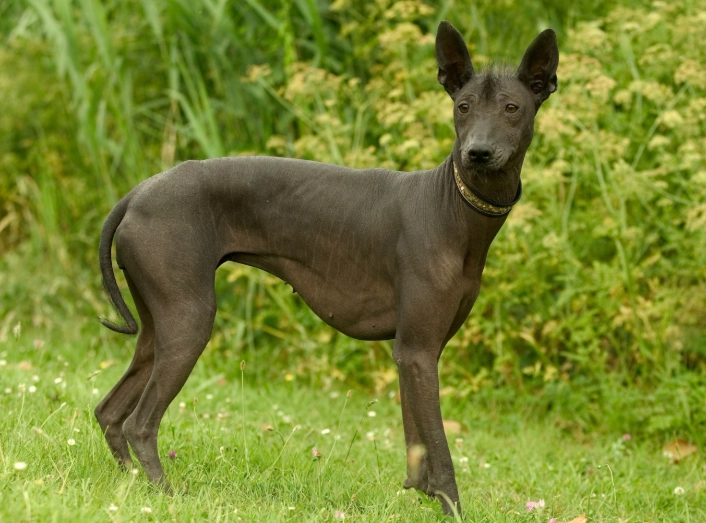
Health and Lifespan: What to Watch For
The Xoloitzcuintli is generally a healthy, robust breed with a long lifespan—often 14 to 20 years, especially for the toy and miniature varieties. Their ancient genetics have spared them some of the extreme issues of overbred modern breeds. But they are not without their concerns.
Reputable breeders who test their dogs are your first and best defense. The Orthopedic Foundation for Animals (OFA) and similar databases are where you can check for health clearances.
Common health considerations include:
- Skin Issues: Sunburn, dryness, acne, and occasional allergic dermatitis. They can also be prone to minor injuries and scrapes that need attention to prevent infection.
- Dental Issues: As mentioned, incomplete dentition is common in hairless varieties. The coated variety usually has a full set of teeth.
- Patellar Luxation: Especially in the toy size, this knee cap issue can occur.
- Hip Dysplasia: While less common than in larger breeds, it can occur in standards. OFA screening is important.
- Progressive Retinal Atrophy (PRA): An eye disease that can lead to blindness. Reputable breeders test for it.
Let's be blunt about "hypoallergenic": No dog is 100% hypoallergenic. Most allergies are to a protein found in dog dander (dead skin flakes) and saliva, not just hair. Because the Mexican hairless dog sheds less dander into the environment (no hair to trap it and spread it around), many allergy sufferers do much better with them. But it's not a guarantee. If you have severe allergies, spend significant time with a Xolo before committing. The coated variety sheds a minimal amount but will not be suitable for those with hair-related allergies.
Xoloitzcuintli FAQs: Answering Your Real Questions
You've got questions. I've heard them all. Let's tackle the big ones.
Are Xoloitzcuintlis good with kids and other pets?
They can be, with the right introductions and supervision. They do best with respectful, calm children who understand their space. They often bond strongly with the kids in their family. With other pets, early socialization is key. They can live peacefully with other dogs and even cats if raised together, but their prey drive means small pets like hamsters or birds are a serious risk.
Are they barkers?
Not excessively. They are alert watchdogs and will bark to notify you of something unusual. It's usually a deep, authoritative bark for their size. But they aren't known for yapping incessantly.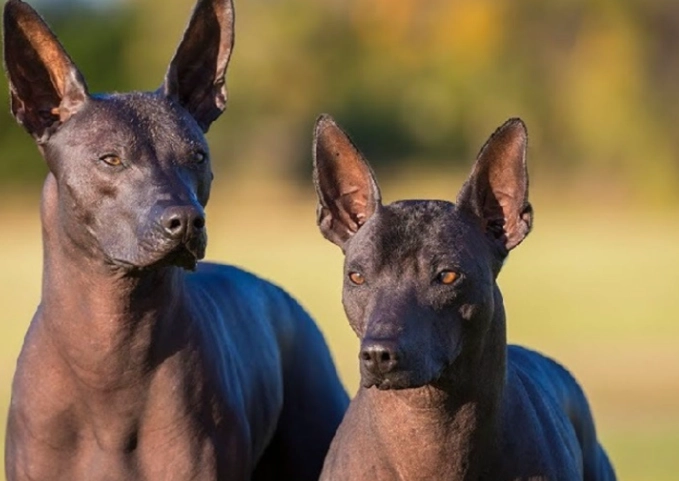
Are they easy to train?
I wouldn't call them "easy." They are smart and learn quickly, but they have an independent streak. Training needs to be engaging, positive, and patient. Housetraining can sometimes be a challenge, requiring consistency. They excel in activities that engage their minds, like lure coursing or obedience that feels like a game.
How much does a Mexican hairless dog puppy cost?
From a reputable, health-testing breeder, expect to pay anywhere from $1,500 to $3,000+, depending on size, variety, and lineage. The hairless variety is typically more expensive than the coated. Please, please avoid puppy mills or online brokers. The health and temperament risks are not worth it. Consider adoption through the Xoloitzcuintli Club of America's rescue network—adult dogs sometimes need new homes.
Is the Xoloitzcuintli the right dog for me?
Ask yourself this:
Do you want a deeply loyal, quiet companion who forms an intense bond?
Are you prepared for the specific skincare and health routines?
Can you provide consistent, patient training and early socialization?
Do you value a unique, ancient breed with a calm household presence over a constantly gregarious one?
If you answered yes, then a Xolo might just be your soul dog. If you want a low-effort, instantly social dog that you can take anywhere without preparation, you might want to look at other breeds.
Final Thoughts
Living with a Mexican hairless dog is an experience. It's not for everyone. There are days when applying sunscreen feels silly, or when you wish they'd just be a little more outgoing with your guests. But then you feel that warm body curl against you on a cold night, or you catch that ancient, knowing look in their eyes, and it all makes sense.
They're not a trend or just a "hypoallergenic" option. They are a commitment to a piece of living history, a dog that demands and deserves specific care in return for unparalleled loyalty. Do your homework, meet breeders (and their dogs!), and be brutally honest about your lifestyle. If it's a match, you'll gain a companion unlike any other—a quiet, warm, noble spirit with bat ears and a heart full of history.
Comment