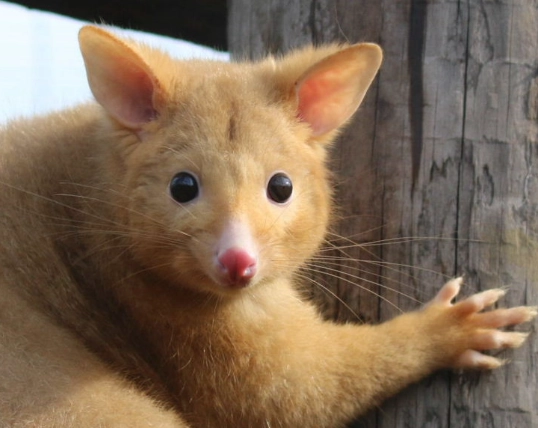
Let's talk about the golden possum Australia keeps as one of its most stunning natural secrets. You've probably seen the photos online – a possum that looks like it's been dipped in gold, standing out like a tiny, furry sunbeam against the green Australian bush. Frankly, the first time I saw a picture, I thought it was photoshopped. It just looked too perfect, too unreal. But it's very much real, and the story behind this golden brushtail possum is even more fascinating than its Instagram-worthy appearance. This isn't a separate species, which is the first thing most people get wrong. It's a common brushtail possum (Trichosurus vulpecula) with a spectacular genetic twist. They're the same animal you might find raiding your fruit tree at night, just wearing a radically different coat. Spotting one in the wild is incredibly rare, a genuine wildlife jackpot. This guide isn't just about showing you pretty pictures; it's about understanding what creates this golden marvel, where it lives, and what its future looks like in a changing Australia. Key Takeaway: The golden possum is a color morph of the common brushtail possum, caused by a recessive gene affecting pigment. It's not albino, and it's not a new species. Its stunning gold color is a rare and natural genetic variation. So, what's the science behind the shine? The golden color isn't paint or diet-related. It's all in the genes, specifically a condition linked to leucism. Now, leucism is different from albinism, a common point of confusion. The gene responsible is recessive. This means both parents must carry a copy of this gene for there to be a chance of a golden offspring. Even then, it's a roll of the genetic dice. Two normally-colored brushtails carrying the gene might produce mostly normal-looking babies, with the occasional golden surprise. This rarity is why a sighting of a golden possum in Australia causes such a stir. It's a perfect, visible example of genetics in action in the wild. For a more detailed scientific explanation of pigment conditions in mammals, the Australian Museum has an excellent resource on leucism that breaks it down clearly. This is the million-dollar question for any wildlife enthusiast. Since they are just brushtail possums with a different coat, their habitat range is theoretically the same as their common relatives. Brushtails are incredibly adaptable and found all over mainland Australia, Tasmania, and even introduced to New Zealand. However, spotting a golden morph is a different story. They've been reliably reported in a few specific areas more than others, but remember, this is like looking for a single gold coin in a vast forest. Reported Hotspots (with a grain of salt): Tasmania seems to have a slightly higher number of recorded sightings and even small, localized populations. Areas like Hobart's suburbs have yielded famous golden possum residents. There have also been credible sightings in parts of Victoria and New South Wales. But don't book a flight to Tasmania expecting a guaranteed sighting – it's still a game of extreme chance. Their habitat preferences mirror the common brushtail: eucalypt forests, woodlands, and, notoriously, urban and suburban areas. They are arboreal, meaning they live in trees. They use tree hollows for dens, which is a critical and often limiting resource. In cities, they happily adapt to roof spaces, sheds, and insulated walls. A golden possum in Australia might just be living in someone's backyard shed, completely unaware of its celebrity status. The urban adaptation is a double-edged sword. It brings them into close contact with humans, which leads to both conflict (gardens getting eaten) and conservation opportunities (people putting up nest boxes). In terms of daily routine, a golden possum is just a possum. But its color might make that routine a bit tougher. Brushtails are opportunistic omnivores with a strong preference for leaves. Their diet is surprisingly varied: I remember a friend in Melbourne who had a regular (grey) brushtail that developed a precise taste for just the ripest strawberries. It would leave the green ones. A golden possum Australia-wide would have the same discerning palate. They are strictly nocturnal. They spend the day curled up in their den (hollow or roof) and emerge at dusk to forage. They are solitary animals, except for mothers with young. Their famous prehensile tail acts as a fifth limb for climbing. Here's where things get tricky. That beautiful gold coat is a major liability in the wild. Camouflage is a primary defense mechanism for most animals. A grey brushtail can melt into the shadows and tree bark. A golden one glows like a beacon in the moonlight. This makes them much more vulnerable to predators like powerful owls, foxes, and feral cats. Their survival likely depends heavily on the relative safety of their specific habitat. An urban golden possum might face fewer natural predators than one in deep bushland, but then it has to deal with cars and dogs. It's a tough trade-off. This is a nuanced question. The common brushtail possum as a species is listed as Least Concern by the IUCN. It's widespread and abundant, even considered a pest in some areas (like New Zealand) and in certain urban contexts. However, the golden morph is inherently vulnerable. Its rarity is due to genetics, not overall population numbers. But those genetics come with the camouflage disadvantage we just discussed. Therefore, while not a separately listed endangered "species," the golden possum in Australia faces a higher individual risk. A population of them could be easily wiped out by a surge in predators. Let's break down the major threats in a table, because it helps visualize the pressures: Conservation efforts aren't species-specific for the golden possum. They benefit from general brushtail and urban wildlife conservation: The Australian Government's Species Profile and Threats Database (SPRAT) lists the common brushtail, and understanding the threats to the species helps contextualize the challenges for its rare golden members. Can I keep a golden possum as a pet in Australia? Absolutely not. All native Australian possums are protected by law. It is illegal to capture, keep, or harm them without a specific wildlife carer or rehabilitation permit. If you find an injured or orphaned golden possum, you must contact a licensed wildlife rescue organization immediately. The best place to see one is in the wild (with luck) or through reputable wildlife sanctuary education programs. How rare is a golden possum sighting? Extremely rare. Even wildlife experts and researchers who work with possums for decades may never see one in the wild. Your chances are astronomically higher of seeing a common grey brushtail. This is what makes any photo or video evidence so special and widely shared. Does the golden color affect their health or lifespan? Beyond the predator-related risks, there's no strong evidence the leucism gene itself causes health problems in brushtails (unlike albinism, which often does). Their main health threat is the increased likelihood of being eaten before reaching old age. In a safe, urban environment with few predators, a golden possum could potentially live as long as a common one – up to 13 years in the wild, sometimes longer. What should I do if I see a golden possum? First, consider yourself incredibly lucky! Then: A Personal Note on Rarity: I've spoken to a wildlife carer in Tasmania who's been rescuing possums for 25 years. She's handled thousands. She's seen exactly two golden brushtails. Both were joeys brought in after their mothers were killed on roads. That puts the "rare" into perspective. Beyond being just a pretty face, the golden possum Australia has in its forests serves as a powerful flagship for biodiversity. It captures public imagination in a way that a common grey possum might not. That attention can be funneled into broader conservation messages. It reminds us of the incredible genetic diversity hidden within common species. It highlights the importance of every individual in an ecosystem, even the ones that stand out for the wrong reasons. Its vulnerability underscores the interconnected threats of habitat loss, introduced predators, and urbanization. Mostly, it's a testament to nature's capacity for wonder. In a world where we feel we've seen it all, an animal like the golden brushtail possum pops up and says, "Not quite." It's a living, breathing lesson in genetics, adaptation, and survival against the odds. Protecting the habitats and ecosystems that allow such rare gems to occasionally appear is a responsibility that comes with the privilege of sharing this continent with such unique wildlife. So next time you're in Tasmania or southeastern Australia, maybe look a little closer at that rustle in the tree at dusk. It's probably just a common brushtail. But just maybe, you'll get a glimpse of gold.Quick Navigation
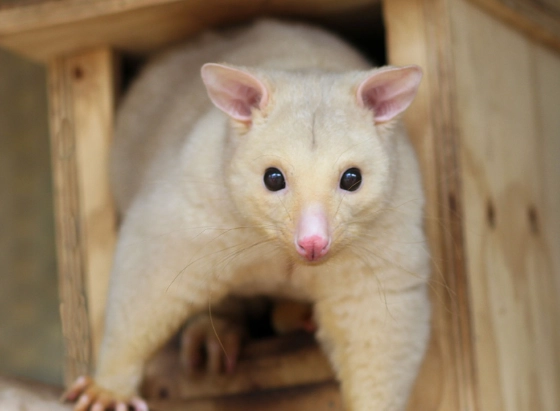
What Exactly is a Golden Possum? The Genetics Unpacked
Habitat and Home: Where Do You Find a Golden Possum in Australia?
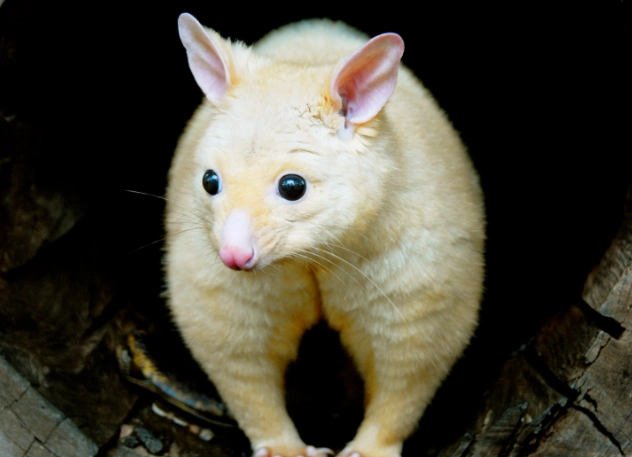
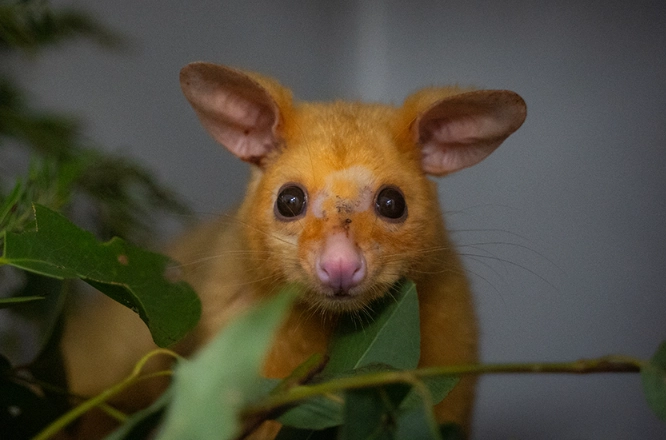
Daily Life of a Golden Brushtail Possum: Diet, Behavior, and Challenges
What's on the Menu?
The Nocturnal Routine
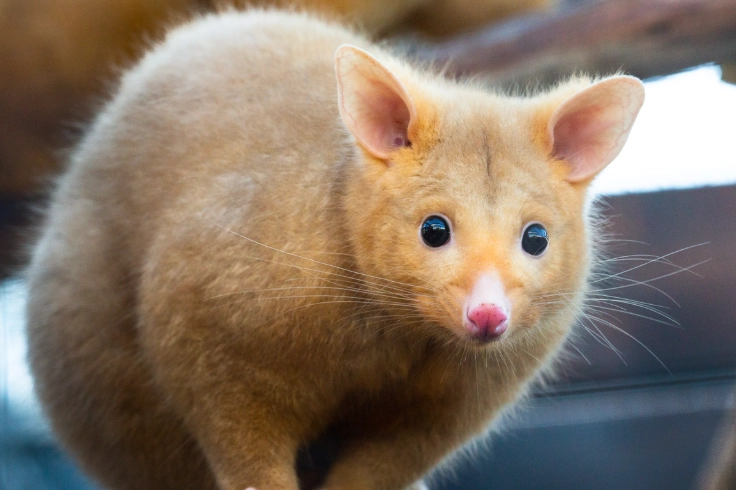
The Golden Disadvantage
Conservation Status and Threats: Is the Golden Possum Endangered?
Threat Category Specific Threat Impact on Golden Morph vs. Common Morph Predation Foxes, feral cats, powerful owls, dogs EXTREME. Greatly increased due to lack of camouflage. Likely the #1 survival challenge in non-urban areas. Habitat Loss Clearing of old-growth forests with tree hollows HIGH & EQUAL. Affects all brushtails. Loss of den sites is a critical issue Australia-wide. Urban Hazards Cars, electrocution, rat poison, dog attacks HIGH & EQUAL. All urban possums face these. Their visibility might make them slightly more prone to some. Genetic Bottleneck Low numbers of the recessive gene UNIQUE. The rarity of the gene itself limits population growth of the morph. Inbreeding in isolated groups is a risk. 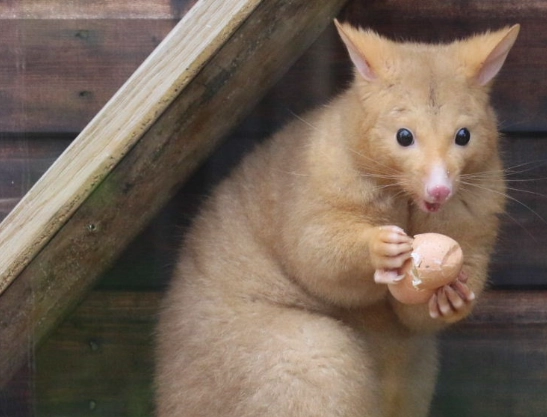
Golden Possum Australia: Your Questions Answered (FAQ)
The Bigger Picture: Why the Golden Possum Matters
It's that simple. In the game of hide-and-seek that is survival, the golden possum is always "it."
Comment