Let's be honest, when most people think of hound dogs, they picture a baying pack chasing a scent through the woods, full of boundless energy and noise. That's the classic image, right? But here's the thing I've learned from talking to breeders, owners, and just observing dogs for years: that stereotype sells a whole group of fantastic dogs short. A significant number of hounds are actually some of the most laid-back, gentle souls you could invite into your home. So if you're asking "what is the calmest hound dog?", you're already asking the right question. You're looking past the hype and into the heart of what makes a good companion for a quieter life.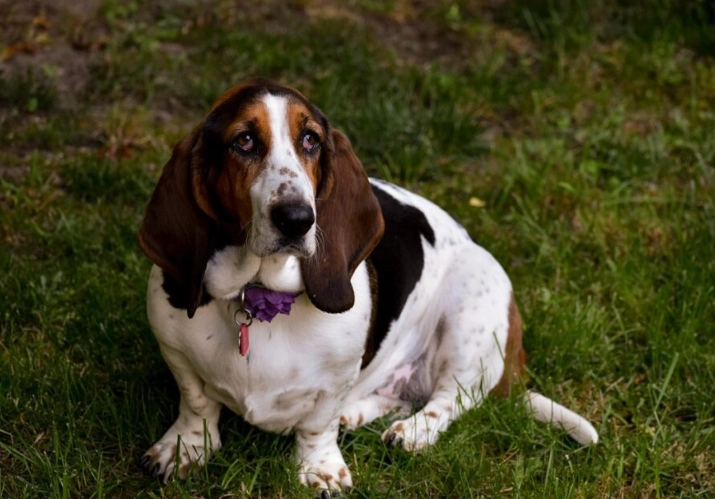
The answer isn't just one magic breed. It's more of a spectrum, and finding the calmest hound dog for you depends on what you mean by "calm." Do you mean a dog that's happy to snooze 18 hours a day? One that doesn't jump on guests? One with a quiet, steady temperament around kids? We need to unpack all of that.
The Core Idea: Calmness in hounds is less about a complete lack of energy and more about a stable, predictable, and low-arousal temperament. Many hounds have an "off switch" that's remarkably effective when they're not on the trail of a scent.
Defining "Calm" in the Hound World
Before we dive into breeds, let's get on the same page. A calm dog isn't necessarily a lazy dog. In my experience, a truly calm hound exhibits a few key traits:
- Low Reactivity: Doesn't go from zero to sixty at every squirrel or doorbell. They might look, but they don't typically lunge or shriek.
- Strong Off-Switch: After their exercise (which they still need!), they can settle down contentedly instead of pacing or demanding more play.
- Moderate to Low Vocalization: This is a big one for hounds. Some are famous for their voices, but the calmer varieties use them more sparingly, not as a constant commentary.
- Adaptability: Can handle changes in routine or environment without becoming overly stressed or anxious.
If your primary reason for seeking the calmest hound dog is a peaceful home environment, these traits matter more than raw energy levels.
The Top Contenders: Breeds That Answer "What is the Calmest Hound Dog?"
Based on breed standards, owner surveys, and general consensus from experts, a few breeds consistently rise to the top of this conversation. I've ranked them here not just by my own opinion, but by cross-referencing temperament data from sources like the American Kennel Club and feedback from breed-specific rescue groups.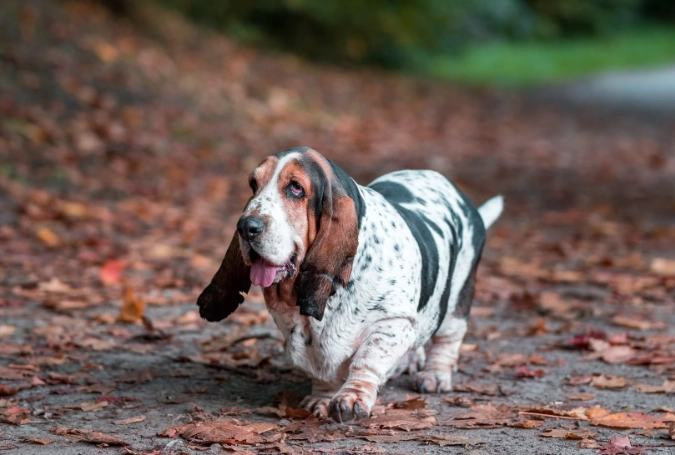
| Breed | Calmness Profile | Key Temperament Traits | Best Suited For |
|---|---|---|---|
| Basset Hound | Exceptionally mellow, low-energy, stoic. | Friendly, patient, mild-mannered, a bit stubborn. Known for being devoted couch potatoes. | Families with children, apartment dwellers (with walks), first-time hound owners seeking a low-key friend. |
| Bloodhound | Dignified, gentle, and surprisingly sedentary indoors. | Affectionate, patient with kids, independent-minded. Their focus is on scent, not chaos. | Homes with space (they're big!), patient owners, those who can handle drool and a strong scenting instinct. |
| American Foxhound | Calmer than many scent hounds, with a sweet, easygoing nature. | Sociable, gentle, tolerant. Bred for pack living, so they tend to be good with other dogs. | Active families with yards, multi-dog households, owners who enjoy long walks. |
See? Not a single hyperactive maniac in the bunch.
The Basset Hound: The Undisputed Couch Champion
If we're crowning a winner for the title of the calmest hound dog in terms of sheer low-energy contentment, the Basset Hound often takes the crown. Their very design seems geared toward relaxation—low to the ground, heavy-boned, with a face that perpetually looks slightly worried about having to move too quickly. A good Basset is the epitome of a gentle soul.
I remember visiting a breeder who had five Bassets. The moment I sat on the floor, I was quietly surrounded. Not jumped on, not licked frantically—just surrounded by a warm, sighing, velvety-eared heap. One plopped his head in my lap and fell asleep within minutes. It was the definition of calm.
But let's not sugarcoat it. That famous calmness comes with trade-offs. They can be incredibly stubborn (often politely ignoring commands they find irrelevant). They are champion droolers and snorers. And while they don't need a marathon runner's schedule, they do need consistent, leash-led walks to prevent obesity, which is a major health risk for the breed. Their calm nature makes them excellent with respectful children, but their long backs are delicate, so kids need to learn not to ride them or let them jump on/off furniture.
The Bloodhound: The Gentle Giant of the Scent World
People see the size and the wrinkles and assume power and maybe a bit of aloofness. The reality is quite the opposite. A well-bred, well-socialized Bloodhound is one of the most gentle, patient, and yes, calm creatures you'll meet. Their energy is directed almost entirely into their nose. When they're not following a scent, they are often described as "sleeping on their feet." They are famously good with children, possessing a saintly tolerance.
However, calling a Bloodhound the calmest hound dog requires some big caveats. First, they are massive, and a bored or under-exercised Bloodhound can use that mass destructively. Their exercise needs are moderate but non-negotiable—a long daily walk or a good sniffari in a secure area is a must. Second, the drool is legendary. You must be prepared for "slobber strings" on your walls and ceiling. Third, that incredible nose is a priority. If they catch a scent, their brain seems to disconnect from their ears. Recall is notoriously difficult, so a secure fence is non-negotiable. The AKC's training tips for Bloodhounds emphasize patience and positive reinforcement, which aligns perfectly with their sensitive nature.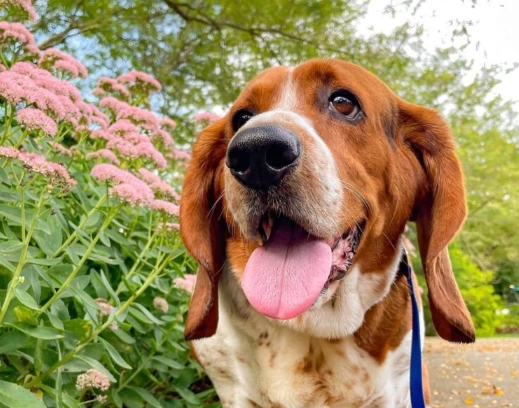
The American Foxhound: The Often-Overlooked Gentle Soul
This one might surprise you. Compared to their cousin the English Foxhound (bred for sustained running), the American Foxhound was often developed for a slightly less intense pace and can have a wonderfully sweet, easy-going disposition. They are generally less vocal than many other hounds and are known for being good-natured and tolerant. They are pack animals by history, so they typically get along very well with other dogs.
Their calmness is more of an "active calm"—they enjoy a good run or hike but are happy to relax afterwards. They are less prone to the stubbornness of the Basset and less drooly than the Bloodhound. The challenge? They are true scenthounds with a high prey drive. They need a very secure physical fence (they can jump or dig) and may never be trustworthy off-leash in an unsecured area. But for an active person or family who can provide structure and exercise, they can be a wonderfully calm and affectionate house dog.
What Makes a Hound Calm? It's Not Just Breed
Okay, so we've named names. But simply bringing home a Basset Hound puppy doesn't guarantee a calm adult dog. Breed gives us a blueprint, a set of probabilities. The final product—your dog's actual temperament—is built by several other critical factors. If you're truly committed to ending up with the calmest hound dog possible, you have to look at these.
- Breeding & Lineage: This is the biggest one. A responsible breeder selects for health and temperament. They can often tell you about the personalities of their breeding dogs—are the parents calm in the house? Shy? Hyper? A puppy from working lines bred for endurance and drive will be different from a puppy from show or companion lines bred for stable temperaments. Always, always meet the parents if you can.
- Socialization: The critical window for puppy socialization is roughly 3 to 16 weeks. A puppy exposed positively to different people, surfaces, sounds, and experiences is far more likely to grow into a calm, confident adult. A poorly socialized hound of any breed can become fearful or reactive.
- Training & Mental Stimulation: A bored hound is never a calm hound. Their brilliant noses need a job. This doesn't mean hunting; it can be nosework games, food puzzles, or structured training sessions. Teaching impulse control (like "wait" or "leave it") is directly linked to calm behavior. Using force-free, positive methods is essential with these often sensitive dogs.
- Exercise & Routine: Even the calmest hound dog needs appropriate exercise. It's the foundation. A tired dog is a good dog, as the saying goes. But it's not just physical. A predictable routine (meals, walks, quiet time) provides security, which reduces anxiety-based behaviors.
- Age: Let's be real. Most puppies of any breed are chaotic little tornadoes. Hound puppies are no different. That legendary Basset calmness usually settles in around 2-3 years of age. Adopting an adult or senior dog lets you skip the puppy chaos and know exactly what temperament you're getting.
Pro Tip: Consider rescue! Hound-specific rescues are full of wonderful adult dogs whose personalities are fully known. You can often find a calm, house-trained companion who is past the puppy crazies and just wants a quiet sofa to call his own. Organizations like Basset Hound Rescue networks are a great place to start.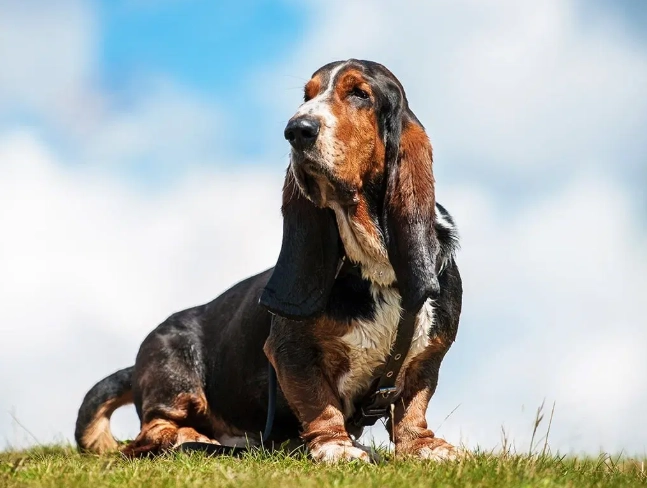
Matching the Calmest Hound Dog to Your Lifestyle
So, which one is right for you? Let's break it down by common living situations.
For Families with Young Children
Both the Basset Hound and the Bloodhound are historically excellent with kids due to their patient, tolerant natures. The Basset's size is less intimidating, but their fragility requires supervision. The Bloodhound's size requires teaching kids not to be bowled over. The key with any hound and kids is to teach children respect for the dog's space, especially when eating or sleeping.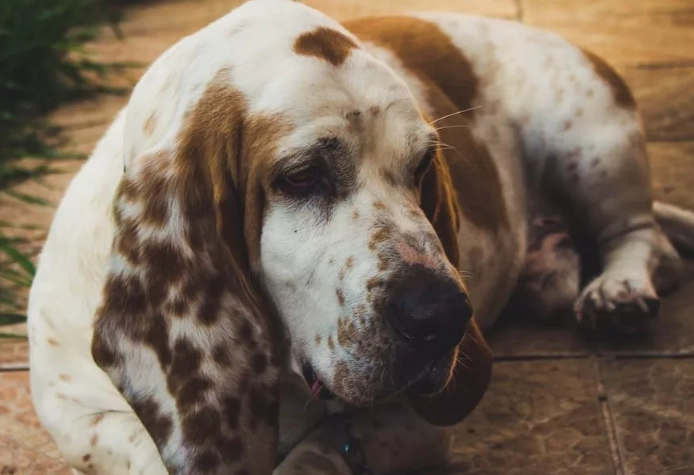
For Apartment or Condo Living
This is where the Basset Hound truly shines as a candidate for the calmest hound dog for small spaces. Their low energy and generally quiet demeanor (aside from the snoring!) make them surprisingly good apartment dogs, provided they get their daily walks. The key is mental stimulation indoors to prevent boredom. A Bloodhound is usually too large and drooly for most apartments, and an American Foxhound might find the space too confining without ample outdoor access.
For First-Time Dog Owners
The Basset is often the most recommended. Their lower energy and less demanding exercise needs can be easier to manage. However, first-timers must be prepared for the stubbornness and need to be extra vigilant about weight management. Training classes are highly recommended to learn how to motivate a dog that might rather nap than obey.
For Seniors or Less Active Households
A senior Basset Hound or Bloodhound from a rescue can be a perfect match. Their exercise needs are modest, and they offer tremendous companionship without demanding constant activity. The mutual benefit of a calm home for a calm dog is ideal.
Watch Out: No matter how calm the breed, no hound is a zero-maintenance dog. They all shed, some drool prodigiously, most have a strong hound odor (that "doggy smell"), and all require commitment to training, grooming, and veterinary care. The calmest hound dog still needs a responsible owner.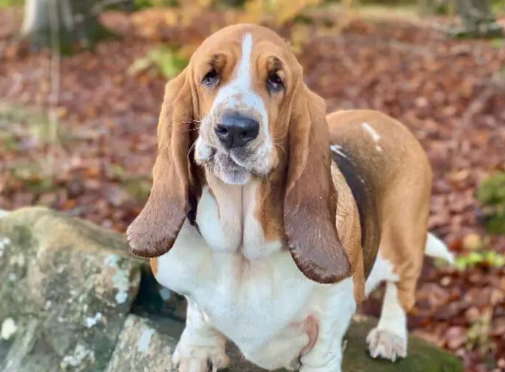
Common Questions About Calm Hounds
Let's tackle some of the specific things people wonder when they search for "what is the calmest hound dog?".
Are hounds good apartment dogs?
Some can be, surprisingly. It's less about size and more about energy level and vocalization. A Basset Hound is a far better apartment candidate than a high-energy, vocal Beagle. Success depends on providing sufficient exercise and mental stimulation outside the apartment and training for quiet behavior inside.
Can a calm hound still be a good watchdog?
Most hounds are not guard dogs in the protective sense. They are more likely to greet an intruder with a wagging tail. However, their deep, resonant bark (especially from a Bloodhound or large hound) is an excellent deterrent. They will often bark to alert you to something unusual, which can be a valuable warning system.
How do I train a hound to be calm indoors?
It starts with meeting their needs outside. A well-exercised and mentally satisfied hound will naturally be calmer. Then, actively teach and reward calm behavior. When your dog chooses to lie down quietly on his bed, toss him a treat. Use settle mats or place training. Capturing and rewarding moments of quiet is more effective than just scolding noise.
Do calm hounds get along with cats or other small pets?
This is highly individual and depends heavily on early socialization. However, the strong prey drive inherent in most hounds is a significant factor. A hound raised from puppyhood with a cat may be fine, but introducing an adult hound with a high prey drive to a cat is risky. Always supervise carefully and introduce slowly and safely.
What about other "calm" hounds like the Greyhound?
Great point! While not a scenthound in the traditional group (they're sighthounds), retired racing Greyhounds are famously "45 mph couch potatoes" and deserve an honorable mention for calmness. They have a very different temperament—more cat-like and sensitive—but are absolutely among the calmest large dogs you can find.
Final Thoughts: Your Calm Companion Awaits
So, what is the calmest hound dog? The answer is a spectrum, but breeds like the Basset Hound, Bloodhound, and American Foxhound consistently demonstrate the stable, gentle, low-arousal temperaments that define a calm canine companion. Remember, calm doesn't mean inactive or unintelligent. These dogs are often deep thinkers with rich inner lives centered on scent.
The journey to finding your calm hound is about honest matching.
Be brutally honest about your lifestyle. Can you handle drool? Do you have a secure fence? Are you patient enough for stubbornness? If you answer yes, you might just find that a hound—far from the hyperactive stereotype—offers the perfect kind of quiet, devoted friendship. Don't just take my word for it. Go meet some. Visit a responsible breeder, spend time at a rescue event, talk to owners. You'll see it in their eyes: a deep, soulful, and profoundly calm presence that just might be the perfect fit for your home.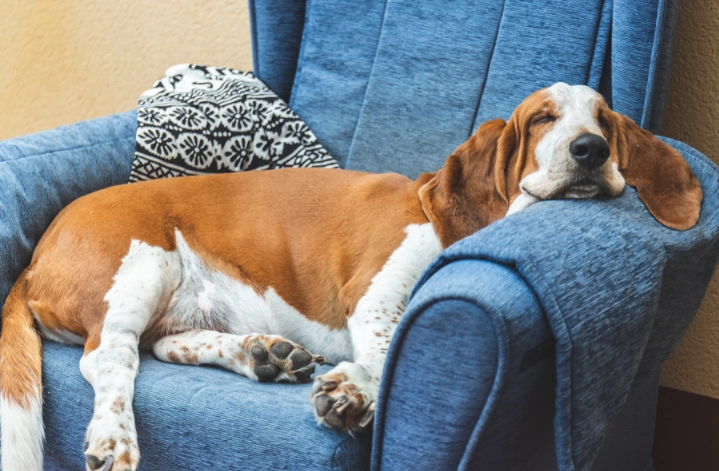
Start your search with reputable sources. The AKC's Basset Hound breed page or the American Bloodhound Club are excellent places to find ethical breeders and learn more. For the adoption route, Petfinder.com allows you to search for specific breeds in rescues near you. Your calm, velvety-eared best friend is out there.
Comment