You've seen the photos. A stunning dog with the friendly face of a Golden Retriever and the piercing blue eyes (or one blue, one brown!) of a Siberian Husky, often with a gorgeous, thick coat. The Golden Retriever Husky mix, affectionately called a "Goberian," is an internet sensation for good reason. But behind those photogenic looks lies a complex, high-energy hybrid that's not the right fit for every home. I've spent over a decade working with active breeds and hybrids, and I've seen too many Goberians end up in shelters because owners fell for the look without understanding the lifestyle commitment. This isn't just a fluffy companion; it's a project. Let's cut through the hype and talk about what living with a Goberian is really like.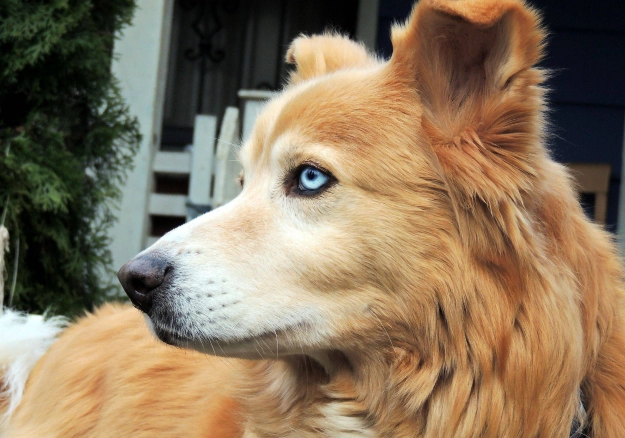
What’s Inside This Guide
What Exactly is a Goberian?
A Goberian is a first-generation cross between a purebred Golden Retriever and a purebred Siberian Husky. Because they're a hybrid and not a recognized breed with a breed standard, their appearance and temperament can vary wildly. You might get a dog that looks 80% Golden with a Husky tail, or one that's clearly Husky-shaped but with a Golden's cream-colored coat. This unpredictability is part of the package.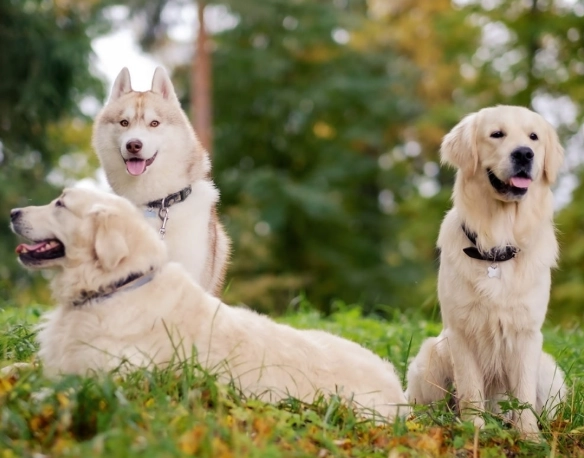
Most weigh between 45 to 90 pounds, standing 20 to 24 inches tall. Their coat is almost always a double coat, inheriting the shedding prowess of both parents. Get ready for fur. Colors range from classic golden and cream to black and white, gray, and red, often with striking masks or markings.
| Trait | Inherited from Golden Retriever | Inherited from Siberian Husky |
|---|---|---|
| Primary Drive | To retrieve and please | To run and explore |
| Vocalization | Barks | Howls & "Talking" |
| Social Tendency | Universally friendly | Friendly but independent |
| Grooming | Heavy seasonal shedder | Constant undercoat blowout |
The biggest mistake prospective owners make is assuming they'll get "the best of both worlds" automatically. Genetics doesn't work like a buffet. You could get the most challenging traits from each breed. I once worked with a Goberian who had the Husky's stubborn escape artistry and the Golden's obsessive mouthiness—a combination that led to chewed-through fences and stolen shoes.
The Goberian Personality: More Than Just a Pretty Face
Forget the calm, always-obedient Golden stereotype. Inject Husky DNA, and you change the game.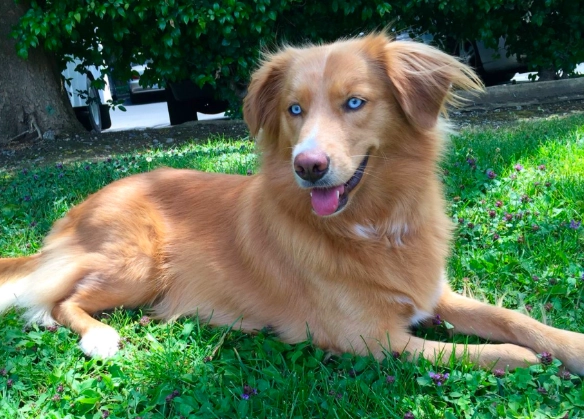
Their energy level is consistently high. Both parent breeds were built for endurance work—pulling sleds or retrieving game for hours. A 20-minute walk around the block is an insult to their genetics. They need vigorous, structured exercise daily. I'm talking running, hiking, advanced fetch, or dog sports like canicross or agility.
Their intelligence is a double-edged sword. They learn quickly but also get bored quickly. If you don't give them a job, they'll invent one, like redesigning your sofa or testing the structural integrity of your drywall.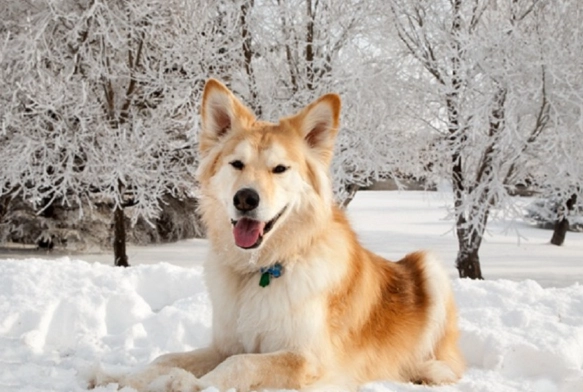
On the positive side, they are typically very affectionate with their family and, with proper socialization, good with children. Their Husky side can make them a bit more aloof with strangers than a pure Golden, but rarely aggressive. The prey drive from the Husky, however, is a real variable. Small animals like cats or squirrels might be seen as chase targets.
The Vocal Factor: Barks, Howls, and Drama
Be prepared for a vocal dog. They often inherit the Husky's conversational howls and "woo-woos" combined with the Golden's alert barking. They'll "talk" to you when they want something. It's endearing at first, but without training, it can become a nuisance behavior, especially in apartments.
Caring for Your Goberian: It's a Full-Time Job
Grooming: The Fur Is Real
You will have dog hair everywhere, no matter what. Invest in a high-quality undercoat rake, a slicker brush, and a powerful vacuum cleaner. Brushing needs to happen at least 3-4 times a week to prevent mats, especially behind the ears and in the feathering. During seasonal sheds (spring and fall), daily brushing is a must to manage the blizzard of fur.
Exercise: Not a Suggestion, a Requirement
Here’s a sample weekday schedule for a healthy adult Goberian:
- Morning (45-60 mins): Brisk jog, bike ride (with a proper bike attachment), or a vigorous game of fetch in a secured area.
- Midday: Mental stimulation. A frozen Kong, a snuffle mat, or a 10-minute training session.
- Evening (30-45 mins): Long walk with lots of sniffing, or another play/training session.
- Weekends: Big adventure. A 2+ hour hike, a trip to a secure dog park for running, or a training class.
Anything less, and you'll likely see behavioral issues like digging, chewing, or incessant barking.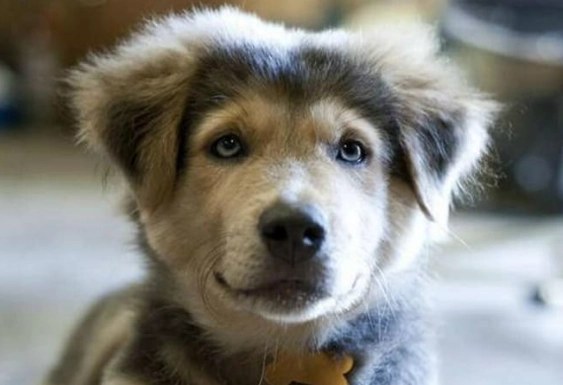
Diet & Nutrition
They need a high-quality, high-protein diet to fuel their metabolism. Portion control is critical because both parent breeds can be prone to obesity, which exacerbates joint problems. Consult your vet, but expect to feed a measured amount twice daily, not free-feed.
Training & Socialization: Non-Negotiables
Start training the day you bring your puppy home. Their intelligence means they pick up bad habits just as fast as good ones.
Recall is the most important command. The Husky's independent streak and high prey drive make them prone to running off if something catches their eye. You must build a bulletproof recall using high-value rewards in increasingly distracting environments. Never trust them off-leash in an unsecured area until this is rock solid—and even then, be cautious.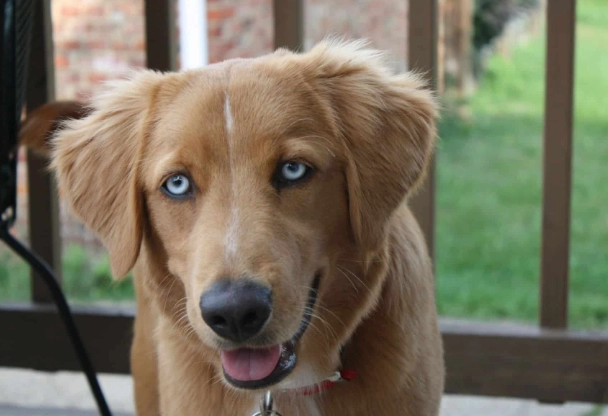
Socialization isn't just about meeting other dogs. It's about positive exposure to all sorts of people, sounds, surfaces, and situations before 16 weeks of age. A poorly socialized Goberian can develop fear-based reactivity or anxiety.
Use positive reinforcement methods. They are sensitive and can shut down with harsh corrections. Consistency is everything. Enroll in a puppy class and then an intermediate obedience class. It's worth every penny.
Goberian Health: What to Watch For
Hybrid vigor can reduce the risk of some genetic issues, but they are still prone to conditions common in their parent lines. Responsible breeders will screen parent dogs for:
- Hip and Elbow Dysplasia: Common in both breeds. Ask for OFA or PennHIP certification from the breeder.
- Eye Conditions: Including cataracts and progressive retinal atrophy (PRA).
- Certain Cancers: Goldens are prone to hemangiosarcoma and lymphoma. Be vigilant about regular vet check-ups.
- Skin Conditions: Allergies can be an issue, often manifesting as itchy skin or ear infections.
Plan for pet insurance early. The potential for joint surgeries or other major health events is real.
Is a Goberian the Right Dog for You?
Let's be brutally honest. A Goberian is not a couch potato's dog. It's not an apartment dweller's dog unless you have an ironclad commitment to multiple high-intensity outings every single day.
A Goberian IS a great fit for:
- Active individuals or families who spend significant time outdoors (runners, hikers, campers). >
- Experienced dog owners who understand positive, consistent training.
- Homes with a securely fenced yard (6-foot minimum, with dig-proofing).
- Someone who doesn't mind copious amounts of dog hair and vocalizations.
A Goberian is likely a BAD fit for:
- First-time dog owners who want an easygoing pet.
- People with very busy, sedentary, or unpredictable schedules.
- Those living in small spaces without immediate access to large, safe exercise areas.
- Anyone looking for a low-maintenance grooming experience.
If you're still reading and nodding, the Goberian might just be your perfect, chaotic, furry soulmate. The bond you form with a dog you actively partner with is incredible. But go in with your eyes wide open. Do your research, find a responsible breeder who health-tests and prioritizes temperament, or consider rescuing an adult whose personality is already known. Resources like the American Kennel Club's guides on Golden Retrievers and Siberian Huskies are excellent for understanding the parent breeds' core instincts.
Your Goberian Questions, Answered
How do I manage a Goberian's high energy if I live in an apartment?
It's challenging but possible. The key is structured, high-intensity mental and physical output. Forget just long walks. You need to schedule two dedicated 30-45 minute sessions daily that combine brisk jogging, fetch in a secured area, or dog sports like agility foundations. Puzzle toys and scent work games inside are non-negotiable for mental stimulation. A tired Goberian is a good Goberian; without this, expect destructive behavior.
Are Golden Retriever Husky mixes good with other pets like cats?
It's a gamble heavily dependent on early socialization and the individual dog's prey drive inherited from the Husky side. Even with early exposure, their strong chase instinct can be triggered by a running cat. Successful cohabitation requires meticulous management: always supervised interactions, safe spaces for the cat the dog cannot access, and teaching a solid "leave it" command from puppyhood. Never assume it will work out naturally.
Is a Goberian a good first-time dog?
For most first-time owners, a Goberian is a steep learning curve. They combine the potential stubbornness of a Husky with the size and strength of a Golden. Inconsistent training leads to a dog that doesn't listen. You need confidence, patience, and a commitment to advanced obedience classes. If you're an active, dedicated novice willing to seek professional guidance, it's possible. If you want an easygoing first dog, look elsewhere.
What is the average lifespan of a Golden Retriever Husky mix?
A Goberian typically lives between 10 to 13 years. Their hybrid vigor can sometimes mitigate breed-specific issues, but proactive health screening is crucial. To maximize their lifespan, maintain a lean body weight, ensure regular joint-supporting exercise, and stick to vet-recommended screening for hip dysplasia and certain cancers common in their parent breeds.
Comment