You've heard the stories. The line goes slack after a monster strike. Your bait disappears without a twitch. One day they're in a feeding frenzy, the next they act like they've never seen food before. Welcome to the world of the crazy catfish. It's not a specific species, but a term seasoned anglers use for those catfish that seem to defy all logic and standard fishing techniques. Their behavior is erratic, their bites are unpredictable, and landing them feels more like luck than skill. But what if it wasn't? What if their "craziness" was just a puzzle waiting to be solved with the right knowledge? I've spent over a decade chasing these underwater enigmas across rivers, lakes, and reservoirs. The frustration is real—I've had days where I couldn't buy a bite, and others where it felt like I'd stumbled into a catfish convention. That frustration led me down a rabbit hole of observation, experimentation, and more than a few lost rigs. What I discovered wasn't magic; it was a pattern of subtle environmental and behavioral cues that, once understood, turned those crazy bites into predictable opportunities. Calling them "crazy" is a bit unfair. Their behavior is a direct response to environmental pressures and survival instincts. The key to unlocking their patterns lies in understanding the triggers for these unpredictable actions. Forget the standard advice about dawn and dusk being the only good times. Crazy catfish behavior is often tied to rapid changes in their environment. Barometric Pressure Drops: This is the big one. A falling barometer, often preceding a storm, can trigger a feeding frenzy as catfish sense the change and become more active. However, the rate of the drop matters. A slow, steady fall over 12 hours is better than a rapid plunge, which can sometimes shut them down completely. Water Temperature Fluctuations: Catfish are cold-blooded, so their metabolism is tied to water temperature. A sudden spike or drop of even a few degrees can turn them off feeding entirely. They might move to a different depth or become lethargic. Conversely, a stable temperature trend, even if it's cold, can lead to more predictable, if slower, bites. Moon Phases and Light Levels: While catfish have poor eyesight, they are sensitive to light. A bright full moon might make them more active at night, but it can also make them more cautious. A new moon or heavily overcast night provides cover for larger fish to move into shallower water. I've caught some of my biggest flatheads on moonless nights in water less than five feet deep. Lumping all catfish together is a rookie mistake. Their "craziness" manifests differently. The most common mistake I see? Anglers using a heavy, stationary bottom rig for all three species. Blues might be 15 feet off the bottom chasing shad. A flathead might want that bait right in its lair under a logjam. A channel cat in clear water might spook from a bulky weight. You have to match the presentation to the species' specific madness. Okay, so you understand why they're acting crazy. Now, how do you catch them? It requires adaptability and a willingness to break from tradition. Your terminal tackle needs to be as versatile as the fish. The Santee Cooper Rig (for Suspended Fish): This is a game-changer for crazy blues and channels that won't stay on the bottom. It uses a float (like a cigar float or popping cork) above a swivel, with a leader of 18-36 inches to the hook. The float keeps the bait suspended at a predetermined depth. You can drift it or fish it stationary. When a catfish bites, it doesn't feel the resistance of a sinker, often leading to a more confident take. The Slip Sinker Rig (with a Twist): The classic egg sinker above a swivel works, but make it a sliding swivel. This creates a semi-free-spool effect where a fish can pick up the bait and run without immediately feeling weight. Use a lighter sinker than you think you need—just enough to hold bottom in the current. A ½ oz sinker often gets more bites than a 2 oz sinker in the same spot because it's less intrusive. Hook Size and Type is Critical: This is where most people go wrong. Big catfish do not need giant hooks. A large, bulky hook can allow a fish to feel it and spit the bait before you ever set the hook. For most live or cut baits up to the size of your hand, a strong, sharp 5/0 to 7/0 circle hook is perfect. Circle hooks set themselves in the corner of the mouth, leading to better hook-ups and healthier fish for release. For giant flathead baits (like a 1 lb live bluegill), you might step up to a 8/0 or 9/0. Stink bait and chicken liver have their place, but crazy catfish often require a more nuanced approach. Freshness is Non-Negotiable: The best bait is the bait that's natural to the water you're fishing. On the Mississippi River, that's fresh-cut skipjack herring or shad. In a farm pond, it might be nightcrawlers or fresh sunfish. "Fresh" means caught that day or properly frozen immediately after catching. Old, freezer-burned bait has lost the oils and scent that trigger strikes. Match the Hatch, Even for Catfish: If you see small shad flickering on the surface, a chunk of shad is your best bet. If crayfish are abundant, try a piece of… well, you get the idea. Catfish are opportunistic but not stupid. A familiar, natural scent in the water column is far more effective than a generic, strong-smelling paste. The Live Bait Advantage for Lockjaw Flatheads: When flatheads are in a negative mood, a lively, struggling bait is the only thing that will tempt them. The key is size. A baitfish that's too big looks like work. A baitfish that's the right size (4-7 inches) looks like an easy meal. Hook it through the lips or just behind the dorsal fin to keep it alive and kicking as long as possible. The catfish in your local lake that gets pounded every weekend aren't just crazy; they're educated. Standard approaches fail here. You need to think like a predator hunting a predator. Downsize Everything: Lighter line (20-30 lb braid instead of 50+), smaller hooks, and smaller baits. A 2-inch chunk of fresh bait on a #2 circle hook can out-fish a half-pound of cut bait on a 10/0 hook. It looks less threatening. Fish the Fringes: Don't cast to the middle of the known honey hole. Cast to the edges, the drop-offs leading into it, the adjacent shallow flats. The big, smart fish often patrol these perimeter areas, picking off easy meals that wander away from the crowd. Use the Current as Your Ally: In rivers, don't just plop your bait in one spot. Make long casts upstream and let your rig bounce and tumble along the bottom naturally as it drifts downstream. This covers more water and presents the bait in a more natural, moving way than a static offering. A good fish finder with side-imaging is invaluable, but not for finding the fish directly (catfish often hug the bottom too close to distinguish). Use it to find the structure and the bait. Look for submerged timber, rock piles, sharp channel bends, and old roadbeds. Then, look for baitfish balls or clouds on the screen. Where the structure and bait intersect is your high-probability spot for crazy catfish. Mark it, move away quietly, and make a precise cast to it. Catching a crazy catfish is a thrill. Ensuring it survives to fight another day (or to sustain the population) is our responsibility as anglers. The fight stresses the fish immensely, and poor handling can be the final straw. Always have the right tools ready before you land the fish: long-nose pliers for hook removal, jaw spreaders for large fish (used carefully), a wet towel or gloves for a secure grip, and a camera prepped for quick photos. Keep the fish in the water as much as possible. If you must lift it, support its belly. Never hold a large catfish vertically by the jaw—this can dislocate its jaw and damage its spine and internal organs. Know your local regulations. Many states have specific slot limits or harvest restrictions on catfish, especially blues and flatheads, which grow slowly. Resources like the American Fisheries Society provide guidelines on best practices for catch and release. Consider participating in a tagging program if one exists in your area; the data collected helps biologists manage these incredible fish for future generations. At the end of the day, pursuing crazy catfish is about more than just meat. It's the puzzle, the adaptation, and the respect for a formidable opponent that makes every landed fish a genuine accomplishment.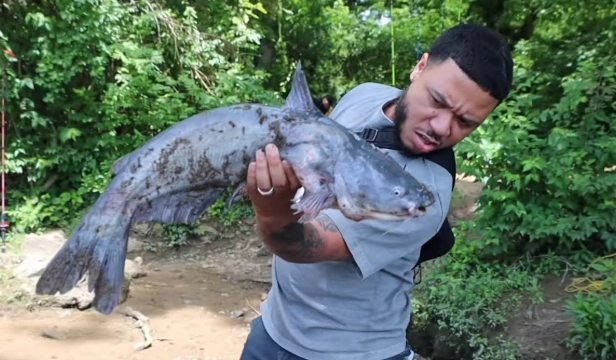
What’s Inside This Guide?
Understanding Crazy Catfish Behavior: It's Not Magic, It's Science
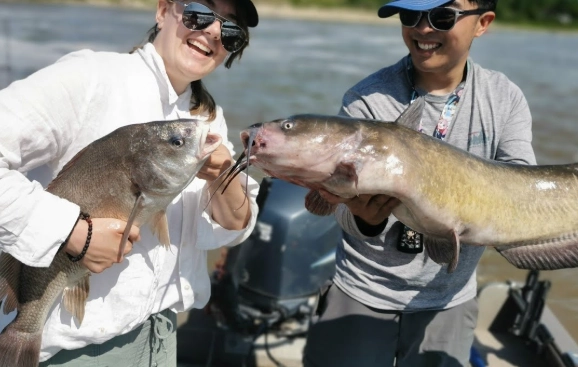
Environmental Triggers That Drive Them Wild
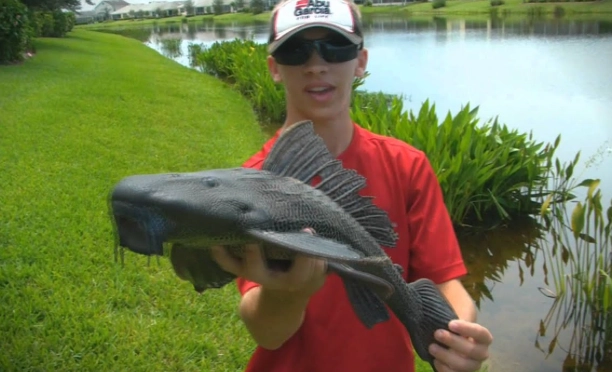
Species-Specific Behaviors: Not All Catfish Are Alike
Species
Typical "Crazy" Behavior
Common Trigger
Channel Catfish
Will pick up bait, move it 20 feet, and drop it without ever getting hooked. Finicky eaters in clear water.
High fishing pressure, bright sunlight, use of overly large hooks.
Blue Catfish
Incredible runs that can spool a reel, followed by dead weight. Can suspend in open water, ignoring bottom baits.
Presence of large schools of baitfish (shad, herring) in the water column.
Flathead Catfish
Will engulf a live bait, hold it in its mouth for minutes without moving, then casually swim away. Extremely nocturnal.
Introduction of a non-native live bait (like a small carp or goldfish).
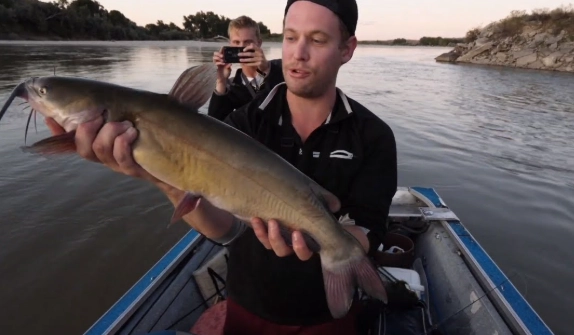
Top Tactics for Landing Crazy Catfish
Rigging for Unpredictability
Bait Selection: Beyond the Basics
Advanced Strategies for Pressured Waters
Stealth and Presentation
Technology as a Tool, Not a Crutch
Handling, Conservation, and the Ethics of the Chase
Personal Anecdote: I remember one brutal summer day on a heavily fished reservoir. The sonar showed a massive school of shad suspended over a deep, old creek channel. Everyone was fishing cut bait on the bottom—getting nothing. We switched to a Santee Cooper rig with a small live bluegill, set the depth to 15 feet (right in the middle of the shad school), and within an hour had landed two blue cats over 20 lbs. They were up there feasting, ignoring everything on the bottom.
What are the most effective baits for crazy catfish during a cold front?
When a cold front shuts down typical feeding, you need to downsize and intensify scent. Forget large cut baits. A small, fresh shad head or a chunk of skipjack herring on a #2 circle hook is far more effective. The key is adding a potent scent attractant like a paste made from fermented shrimp or commercial stink bait injected into the bait itself. The goal is to create a concentrated, irresistible smell trail in the cold, lethargic water.
How do I safely handle a large, aggressive flathead catfish after landing it?
Safety is paramount. First, ensure the fish is thoroughly tired out before bringing it to the bank or boat. Never put your fingers near its mouth. Use long-nose pliers to remove the hook. For photos, wet your hands first to protect its slime coat. Support its belly horizontally with one arm behind the pectoral fins and the other near the tail. Never hold it vertically by the jaw, as this can fatally damage its internal organs. Have a large, wet towel ready to control its thrashing and protect yourself from its abrasive skin and sharp spines.
Is night fishing always the best strategy for crazy catfish?
Not always, and this is a common misconception. While many catfish are nocturnal, 'crazy' behavior often coincides with low-light transitions. The hour just before sunrise and the hour just after sunset can be more productive than dead of night, especially for blue catfish on big rivers. During a full moon, they might feed actively under the bright light. Conversely, on heavily pressured lakes, the middle of a moonless, overcast night might be the only time they let their guard down. You have to match the tactic to the specific water body and recent weather patterns.
Comment