When you hear "Japanese caterpillar," you might picture a single, specific bug. That's the first thing to unlearn. Japan, with its mix of subtropical and temperate climates, is home to thousands of moth and butterfly species, each with a unique larval stage. We're talking about a vast array of shapes, colors, and survival strategies. I remember my first close encounter wasn't with a pretty butterfly, but with a plump, green Papilio larva on a citrus tree—it looked like a tiny, grumpy dinosaur.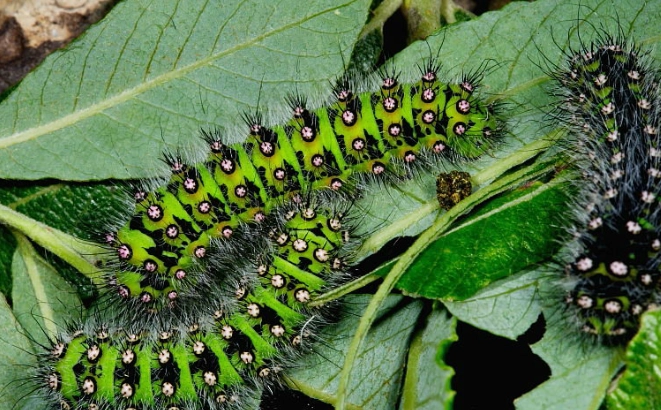
What's Inside This Guide?
What Exactly Are 'Japanese Caterpillars'?
Let's get the terminology straight. There's no single species called the "Japanese caterpillar." The term is a geographic and cultural shortcut for the larval forms of lepidoptera found across the Japanese archipelago. This includes everything from the iconic Japanese Giant Silkworm Moth to the common White-Lined Sphinx Moth caterpillar you might mistake for a hornworm.
Their significance goes beyond biology. In Japan, some caterpillars, like the kaiko (silkworm), are deeply woven into history and industry. Others appear in folklore. Mostly, they're the often-overlooked toddlers of the insect world, munching away in gardens and forests, driving the ecosystem.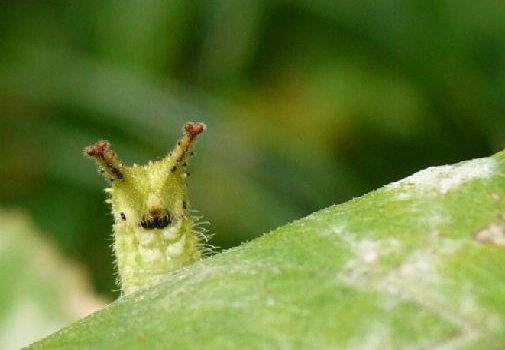
One non-consensus point here: many online guides focus solely on butterfly caterpillars. In reality, moth caterpillars in Japan are far more diverse and commonly encountered. Ignoring them gives you a completely skewed picture.
Common Species You're Likely to Meet
Here’s a breakdown of some frequent visitors, from the charming to the "look-don't-touch." This isn't an exhaustive list, but a field guide based on what you're actually likely to see.
| Common Name (Larva/Adult) | Key Identifying Features | Host Plants (What They Eat) | Notes & Danger Level |
|---|---|---|---|
| Japanese Swallowtail (Papilio spp.) | Early instars: bird-dropping mimic (brown/white). Later: smooth, green with false eyespots. | Citrus plants (yuzu, mikan), Japanese pepper (sanshō). | Harmless and iconic. The 'eyes' are to scare birds. Common in gardens. |
| Oriental Tea Sphinx (Theretra spp.) | Green or brown with a distinctive 'horn' on the rear. Looks like a tomato hornworm. | Various: grapevine, evening primrose, fuchsia. | Harmless. The horn is soft. Often found in parks on weeds. |
| Fall Webworm (Hyphantria cunea) | Hairy, pale yellow to green, with black spots. Lives in large, messy silk tents on tree branches. | Wide range: cherry, mulberry, persimmon, many deciduous trees. | Hairs can be mildly irritating to sensitive skin. A common urban pest. |
| Japanese Tussock Moth (Euproctis spp.) | Very hairy, with distinct tufts. Often brightly colored (yellow/red/black). | Broadleaf trees like oak and cherry. | Warning: Their hairs are urticating (cause itching/rash). Do not handle. |
| Slug Moths (Limacodidae family) | Stout, gelatinous-looking, often green. Lacks typical legs. Some have stinging spines. | Various trees and shrubs. | High Caution: Many have powerful, painful stings. The Parasa genus is notorious. |
A personal story: I once confidently identified a bright green, spiny caterpillar on an oak leaf as a "cool-looking sawfly larva." Wrong. It was a Parasa consocia slug moth caterpillar. The burning, throbbing pain on my finger that lasted hours was a harsh but effective teacher. Color and plant are clues, but texture and shape are critical.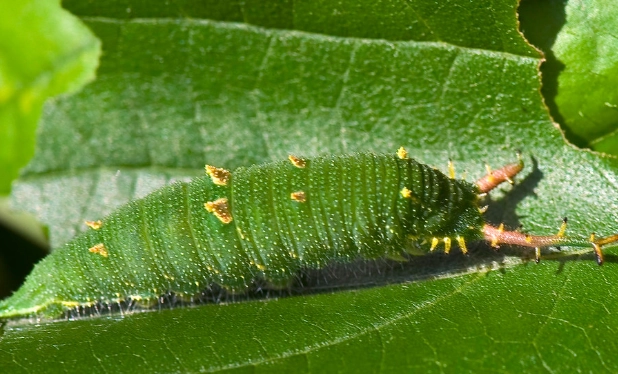
How to Identify Japanese Caterpillars Safely and Effectively
Forget just matching colors from a photo. That's how you get stung. A reliable identification process is more like detective work.
Step 1: The Safe Observation Protocol
Never pick up an unknown caterpillar with bare hands. Use a leaf or a small container. Look at it from all angles. What's its texture? Hairy, spiny, or smooth? How many legs? Caterpillars have 6 true legs at the front and up to 5 pairs of prolegs (stumpy back legs).
Step 2: The Critical Clues (Beyond Color)
Plant Association: This is the biggest hint. A caterpillar on a citrus tree is likely a swallowtail. One on oak could be many things, but it narrows the field. The Japanese Ministry of the Environment's biodiversity portal has databases linking species to host plants, though it's in Japanese.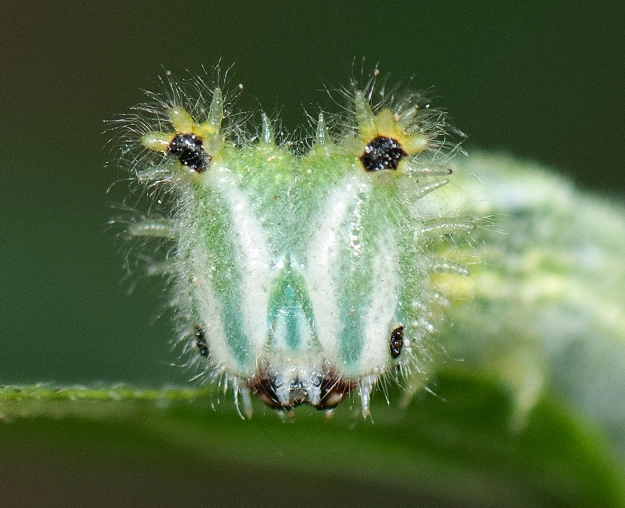
Behavior: Is it solitary or in a group? Is it inside a web tent (webworm) or a rolled leaf (many smaller moths)? Behavior often points to a family.
Shape and Markings: Look for horns, tails, eyespots, or specific patterns of stripes and spots. Take a photo from above and the side.
Lifecycle and Ecological Role: Why They Matter
Caterpillars aren't just eating machines; they're nutrient transformers and a vital food source. They convert plant material (leaves) into protein-rich insect biomass, which feeds birds, wasps, small mammals, and other insects.
In Japan's satoyama (managed woodland) ecosystems, caterpillar abundance directly impacts bird breeding success. Species like the great tit time their nesting to coincide with caterpillar peaks on oak trees.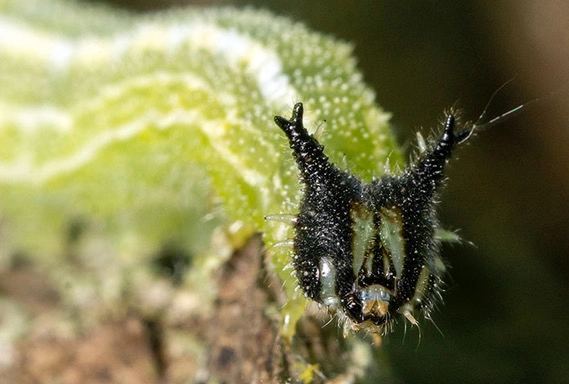
Their lifecycle is perfectly synced with the seasons. Many species overwinter as larvae, hiding in leaf litter or soil, pausing their development through the cold. Others pupate before winter, emerging as adults in spring. This seasonal timing is a delicate dance with host plant phenology—if the leaves flush too early or late due to climate change, the caterpillars starve.
It's a tough life. Out of hundreds of eggs laid by a single moth, only a handful may survive to adulthood due to predators, parasites, and disease. That's why they employ such wild camouflage and defenses.
Where and When to Find Them in Japan
You don't need to trek into deep wilderness. Some of the best caterpillar spotting happens in everyday spaces.
Best Locations:
• Local Parks & Gardens: Check cherry, citrus, and oak trees. Look under leaves.
• Riversides: Willows and other riparian plants host specific species.
• Satoyama Woodlands: The interface between village and forest is incredibly biodiverse.
• Botanical Gardens: Often have labelled host plants, making ID easier.
Seasonal Timing:
• Spring (April-May): First flush of leaves brings out many species, like early swallowtail instars.
• Summer (June-August): Peak abundance and diversity. Watch for sphinx moths and webworms.
• Autumn (September-October): Many species are in their final, largest instar, preparing to pupate for winter. Fall webworms are very conspicuous.
Practical Gear: A 10x hand lens, a digital camera (your phone works), a small field guide like "Nihon no Chō Gaido" (Japan's Butterfly Guide), and a notepad. Wear long sleeves if you're poking around brush.
Ethical Observation: Take only photos. If you move a leaf to look, gently put it back. Avoid stressing the animal. Remember, it's someone's lunch and a future pollinator.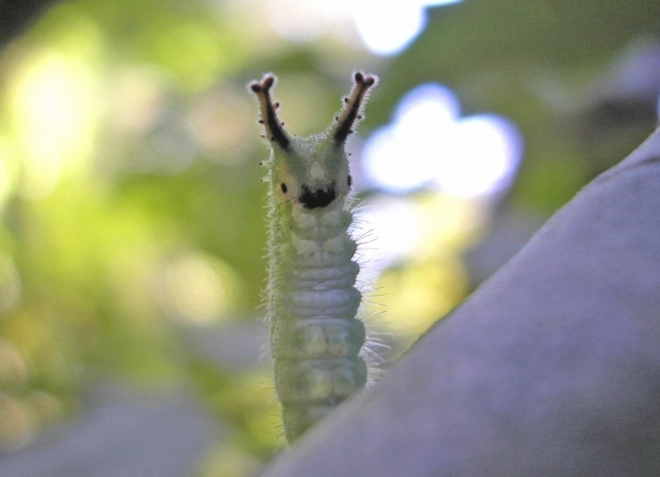
Your Caterpillar Questions Answered
Watching caterpillars is a lesson in patience and detail. It turns a walk in the park into a treasure hunt. You start seeing the notches on leaves, the tiny eggs on the underside, the clever disguises. Japan's insect culture, from haiku to kimonos patterned with butterflies, makes this pursuit even richer. Just watch where you put your hands.
Comment