Your Quick Guide
Let's be honest, the idea of the world's smallest dog in the world is incredibly captivating. It taps into something deep—a desire for ultimate portability, an impossibly cute companion that fits in a purse. I get it. I've seen those videos too, the ones with the tiny dog in a teacup, and my heart just melts. But after years of talking to breeders, rescuers, and veterinarians, I've learned there's a much bigger, and often more serious, story behind that tiny frame.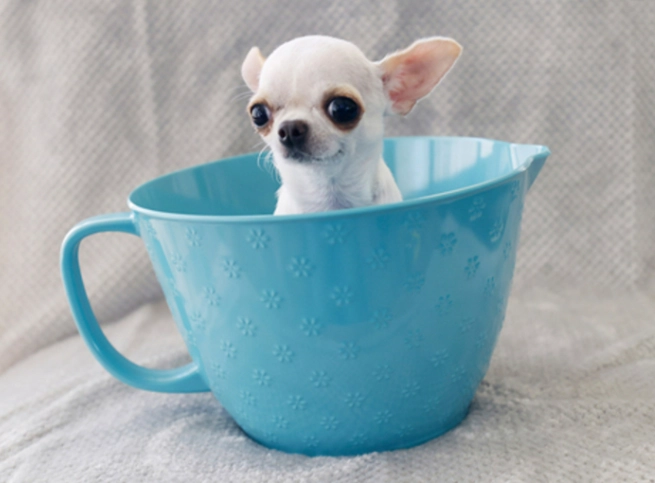
This isn't just about naming a breed and moving on. If you're searching for information on the world's smallest dog, you're probably thinking about bringing one into your life. You need the full picture, not just the adorable Instagram version. You need to know about their fragile health, their surprisingly big personalities, and the immense responsibility that comes in such a small package.
The title of the world's smallest dog breed consistently goes to the Chihuahua. According to the American Kennel Club (AKC), the official breed standard lists a weight of "not exceeding 6 pounds," with many individuals clocking in at a mere 2-4 pounds. That's lighter than a standard bag of sugar. But the "world's smallest dog in the world" title for an individual often becomes a media circus, chasing ever-smaller, often unhealthy, extremes.
Key Takeaway: The Chihuahua is universally recognized as the smallest dog breed by overall standards. However, focusing on a single "record-breaking" individual misses the point of responsible dog ownership and often celebrates poor health.
Meet the Champion: The Chihuahua
To understand the world's smallest dog, you have to understand the Chihuahua. Hailing from Mexico (named after the Mexican state of Chihuahua), these dogs have a history as rich as their personality. They're not just tiny; they're ancient. Some theories suggest they descended from the Techichi, a companion dog favored by the Toltec civilization.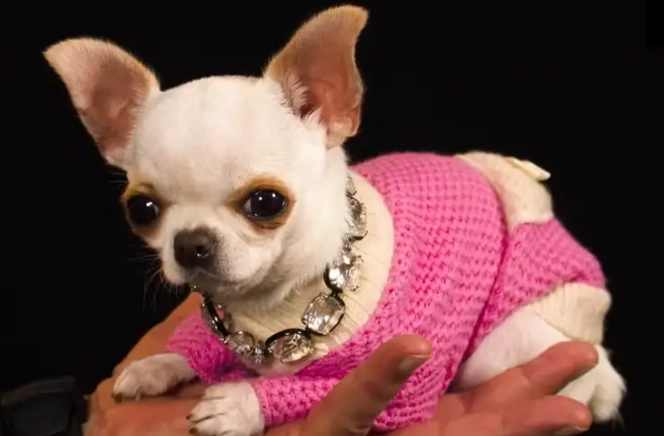
What are they like to live with? Let me tell you, they defy their size. A Chihuahua's personality is often described as "terrier-like." They are fiercely loyal, remarkably brave (sometimes to a fault—they'll stand up to a Great Dane), and can be wonderfully affectionate with their chosen person. They're also clever and can be trained quite well, though they have a stubborn streak. I've met Chihuahuas that are confident social butterflies and others that are shy and reserved. A lot depends on early socialization.
Their size comes with specific traits. They get cold easily—you'll almost always see them in a sweater in winter. They have a relatively long lifespan for a dog, often living 14-16 years or more. But those years need to be managed carefully.
Beyond the Chihuahua: Other Tiny Contenders
While the Chihuahua holds the crown, several other breeds are serious contenders in the "tiny" category. If you're drawn to the idea of a world's smallest dog type but want to explore options, this table breaks down the other mini-powerhouses.
| Breed | Average Weight | Key Personality Trait | Consideration |
|---|---|---|---|
| Russian Toy | 3-6 lbs | Energetic, alert, elegant | Extremely fragile bones; comes in smooth and long-coated varieties. |
| Prague Ratter | 3-6 lbs | Lively, playful, devoted to owner | Rare outside of Central Europe; needs consistent, gentle training. |
| Yorkshire Terrier | 4-7 lbs | Feisty, affectionate, tomboyish | High-maintenance coat; big-dog attitude in a small body. |
| Pomeranian | 3-7 lbs | Inquisitive, bold, vivacious | That luxurious coat sheds; can be prone to "Small Dog Syndrome" if not trained. |
| Maltese | 4-7 lbs | Gentle, playful, fearless | Pure white coat requires daily brushing to prevent mats; classic lapdog. |
See? The world's smallest dog breed conversation has some nuance. The Russian Toy and Prague Ratter are genuinely tiny, often rivaling the Chihuahua for the title of smallest by breed standard. But popularity-wise, the Chihuahua remains the most well-known face of the micro-dog world.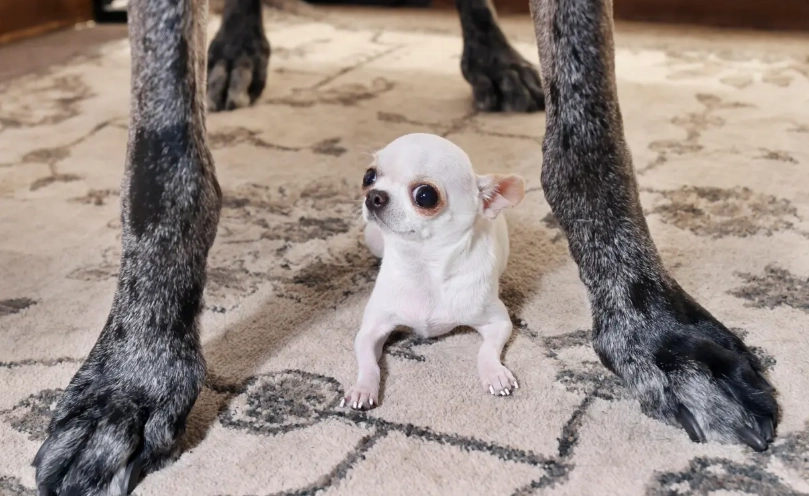
The "Teacup" Trap: A Major Health Red Flag
This is the part where I have to get real, and it might burst a bubble. When people search for the "world's smallest dog in the world," they often stumble into the murky, unregulated world of "teacup" dogs. Let's be clear: "Teacup" is not a breed. It's a marketing term used by unethical breeders to sell dogs that are intentionally bred to be abnormally, dangerously small, often through malnutrition or breeding runts together.
Buying a "teacup" dog is likely supporting a puppy mill or a backyard breeder who prioritizes extreme size over health, temperament, and the well-being of the mother dog. The mother of so-called teacup puppies is often put through dangerous, back-to-back pregnancies.
Why is it so bad? A dog bred to be far smaller than the breed standard is a walking list of potential health crises. Their bodies simply aren't built to function properly at that size. Here’s what you're potentially signing up for:
- Hypoglycemia (Low Blood Sugar): Their tiny bodies have minuscule energy reserves. They need to eat very frequently—like every 3-4 hours—or they can crash, leading to seizures, coma, or death. It's incredibly stressful for a new owner.
- Fragile Bones (Luxating Patellas & Fractures): Their bones are like toothpicks. Jumping off a couch can mean a broken leg. Many also suffer from luxating patellas, where the kneecap slips out of place, causing pain and lameness.
- Dental Crowding: They have the same number of teeth as a large dog crammed into a jaw the size of your thumb. This leads to severe periodontal disease very early in life, requiring expensive dental cleanings under anesthesia (which is itself a higher risk for them).
- Heart Defects: Congenital heart problems like patent ductus arteriosus (PDA) are more common in these ultra-small dogs.
- Hydrocephalus ("Water on the Brain"): This is a serious condition where cerebrospinal fluid builds up in the skull, putting pressure on the brain. It can cause seizures, blindness, and neurological issues. The domed head of some ultra-small Chihuahuas can be a sign of this.
I once spoke to a veterinarian who had to euthanize a 1.5-pound "teacup" puppy at 10 months old due to a combination of liver shunt and hydrocephalus. The breeder had sold it as "extra special tiny." The owner was devastated, both emotionally and financially. That story stuck with me.
Reputable breeders, like those affiliated with the American Kennel Club, breed to the standard, aiming for healthy, sound dogs within the acceptable weight range (like that 6-pound max for Chihuahuas). They health-test their breeding stock. They don't use the word "teacup." If a breeder brags about how "tiny" their dogs are or uses that word prominently, walk away. Better yet, run.
Living with a Miniature Canine: A Complete Care Guide
Okay, let's say you find a healthy small-breed dog from a rescue or a good breeder. What's life actually like? It's not just cuddles. Caring for a potential world's smallest dog candidate is a specialized job. Here’s what you need to know, broken down.
Feeding and Nutrition: Tiny Tummies, Big Needs
You can't just pour kibble in a bowl. Small dogs have fast metabolisms. They need high-quality, nutrient-dense food formulated for small breeds (the kibble pieces are smaller). Portion control is critical—it's shockingly easy to overfeed a 4-pound dog. Obesity will wreck their joints. I recommend a scheduled feeding routine (2-3 small meals a day) rather than free-feeding. Always have fresh water available, but watch for spills—a wet tiny dog gets cold fast.
Safety and Your Home: A Hazardous World
Your home is a jungle gym of dangers. You must think like a safety inspector.
- Falls: No jumping on/off furniture. Use ramps or steps. A fall from your bed can be catastrophic.
- Getting Stepped On/Sat On: This is a leading cause of injury. Be hyper-aware. Use bright-colored collars/harnesses. Teach kids to look before they plop down.
- Escape Routes: They can slip through fence gaps, out of cracked doors. A securely fenced yard is non-negotiable, and even then, supervise.
- Predators: Hawks, owls, coyotes, even large stray cats see them as prey. Never leave them unattended outside, even in a fenced yard.
Pro-Tip: Get a harness, not a collar. Their tracheas (windpipes) are delicate and easily damaged by collar pressure. A well-fitted harness is safer for walks and general control.
Training and Socialization: The Great Equalizer
This is the most common mistake people make. "Oh, he's so small, he doesn't need training." Wrong. This is how you create a neurotic, yappy, fearful ankle-biter. Small dogs need more training and socialization to navigate a world of giants.
Start young (after vaccinations, in safe environments). Expose them gently to different surfaces, sounds, people, and other calm, vaccinated dogs. Enroll in a puppy class that uses positive reinforcement. Teach basic commands: sit, stay, come. It's for their safety. A reliable recall can save their life. House-training can be trickier because their bladders are tiny. Be patient, consistent, and offer frequent bathroom breaks.
And please, don't carry them everywhere. They need to walk and experience the world on their own four feet to build confidence. Carrying them constantly reinforces fear and prevents them from learning how to be a dog.
Grooming and Health Maintenance
Grooming needs vary by coat type. Long-haired varieties need daily brushing. All need regular nail trims (long nails throw off their gait and can cause pain). Dental care is NOT optional. Brush their teeth daily if possible. Get them accustomed to it as puppies. Annual vet check-ups are a must, and your vet might recommend bi-annual checks as they become seniors. Be prepared for higher vet costs overall—anesthesia, medications, and procedures are often weight-based, but the complexity of care for a tiny patient can drive costs up.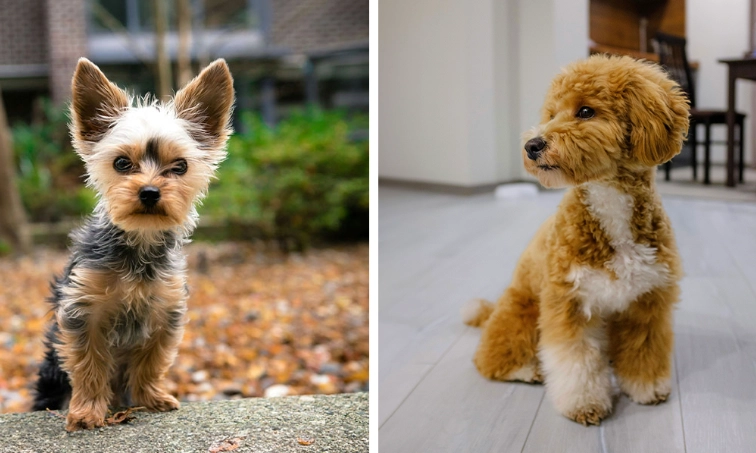
Answering Your Burning Questions
Let's tackle some of the specific questions you might be typing into Google right now.
What is the actual world's smallest dog ever recorded?
The Guinness World Record has historically gone to dogs like Miracle Milly, a Chihuahua from Puerto Rico who weighed about 1 pound and stood under 4 inches tall. However, Guinness has retired the "world's smallest dog" category, citing concerns that it encouraged breeders to pursue unhealthy extremes. I think that's a responsible move. It shifts the focus from a freakish record to the well-being of the animal.
How long do the world's smallest dogs live?
Generally, small breeds live longer than large ones. A healthy Chihuahua or similar small breed can easily live 15-17 years, sometimes over 20. However, this lifespan is heavily dependent on the health issues we discussed. A "teacup" dog with chronic problems will have a much shorter, poorer-quality life.
Are they good with children and other pets?
This is a huge "it depends." Their small size makes them fragile, so they are not a good match for very young, rambunctious children who might accidentally hurt them. With older, gentle, respectful children, they can be wonderful companions. With other pets, slow, supervised introductions are key. They can do well with other small, calm dogs. Prey drive can be an issue with cats or larger dogs—their terrier heritage sometimes kicks in! Always supervise interactions.
How much do they cost?
From a reputable breeder who does health testing, a small breed puppy like a Chihuahua can cost $1,500 to $3,000+. Adoption fees from a rescue or shelter are typically $200-$500. The initial cost is the smallest part. Budget for high-quality food, routine vet care, dental cleanings ($300-$800 per procedure), and potential emergency care for fractures or other issues. Pet insurance is a very wise investment for a dog this fragile.
Can I travel easily with a tiny dog?
This is one of their biggest perks! Many airlines allow them in the cabin in an airline-approved carrier under the seat. Always check policies in advance. They are great road trip companions. But remember, they can't be left alone in a car due to temperature extremes—a car heats up or cools down in minutes, which can be deadly for them.
Making the Responsible Choice
So, you're still interested in sharing your life with one of these tiny marvels? Fantastic. Here's your action plan to do it right.
First, consider adoption. Shelters and breed-specific rescues often have small dogs, including Chihuahuas and mixes, who desperately need homes. You can find an adult dog whose personality and health are already known, skipping the fragile puppy stage. Organizations like Petfinder are great places to start your search.
If you go the breeder route, be a detective. Ask to see the parents—are they healthy, calm, and of normal size for the breed (not ultra-tiny)? A good breeder will ask you just as many questions. They will provide health clearances for the parents (like patella evaluations, cardiac exams). They will have a contract that includes a health guarantee and requires you to return the dog to them if you can't keep it. They will be a resource for the dog's entire life. Visit the facility. If you can't visit, that's a major red flag.
Finally, look in the mirror. Is your lifestyle suited to a fragile, attention-needing, potentially long-lived companion? Do you have the patience, the vigilance, and the financial means? If the answer is yes, then you might just be ready for one of the most loyal, entertaining, and big-hearted companions on the planet—regardless of their standing in the quest to be the world's smallest dog in the world.
Forget the records. Aim for a healthy, happy dog. That's the only title that truly matters.
Comment